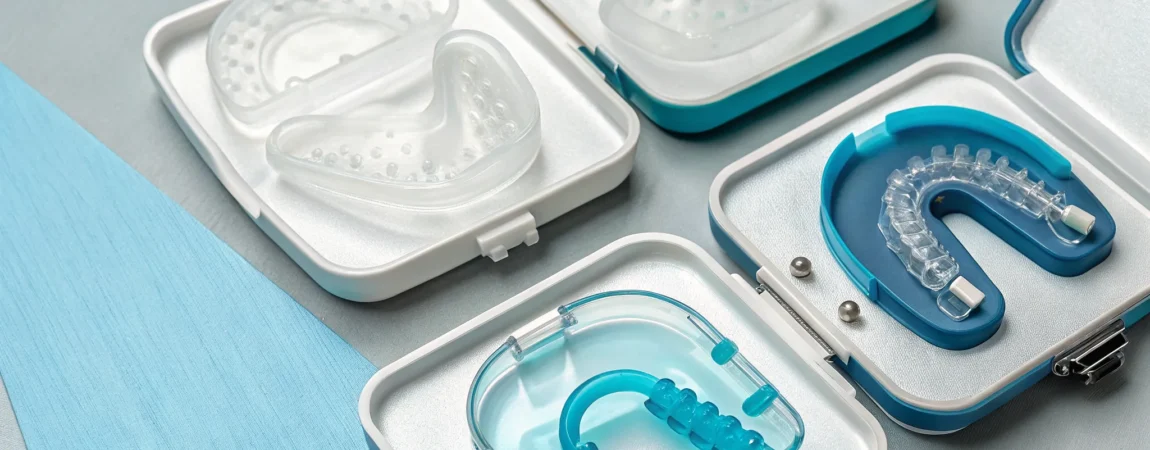
When you’re desperate for a quiet night’s sleep, the temptation to grab a cheap, over-the-counter snore guard is real. These “boil and bite” devices promise a quick fix, but they often lead to jaw pain, poor results, and wasted money. Your airway is not a place for a one-size-fits-all solution. A true Mandibular Advancement Device (MAD) is a custom-fitted medical appliance designed by a specialist to perfectly match your unique oral anatomy. This precision is what makes it both safe and effective. Before you spend money on a generic guard, let us show you why investing in the best mandibular advancement device for snoring means getting a custom-made solution from a professional.
Key Takeaways
- A MAD is a medical treatment for sleep apnea: This custom oral appliance does more than stop snoring; it’s an FDA-approved therapy for mild to moderate sleep apnea. By gently moving your jaw forward, it keeps your airway open so you can breathe properly all night.
- A custom fit is essential for safety and results: Over-the-counter devices can be ineffective and may cause jaw pain. A MAD prescribed by a dental sleep specialist is precisely molded and adjusted for your mouth, ensuring it’s comfortable enough to wear consistently and works correctly.
- Your consistency is key to success: The device only works if you wear it every night. Making it a habit, keeping it clean, and attending follow-up appointments for adjustments are crucial. Think of it as a partnership with your provider to ensure your treatment is effective for the long term.
What Is a Mandibular Advancement Device (MAD)?
If you’re tired of snoring or find your CPAP machine more of a hassle than a help, you’ve likely heard about oral appliances. A Mandibular Advancement Device, or MAD, is one of the most common and effective types. Think of it as a custom-fitted mouthpiece you wear only while you sleep. It’s designed to be a comfortable and quiet solution for better breathing and more restful nights. Unlike bulky machines, a MAD is small, portable, and easy to care for, making it a popular choice for treating snoring and mild to moderate sleep apnea. Let’s look at exactly how it works and how it stacks up against other treatments.
How it works to stop snoring
The science behind a MAD is pretty straightforward. The device works by gently shifting your lower jaw, your mandible, slightly forward. This small adjustment makes a big difference. As your jaw moves forward, it pulls your tongue and the soft tissues at the back of your throat along with it. This movement opens up your airway, preventing it from narrowing or collapsing while you sleep, which is the primary cause of snoring and breathing pauses. The result is a clear path for air to flow, which can significantly reduce snoring and help you maintain healthy oxygen levels all night long. These custom oral appliance treatments are designed to give you quiet, restorative sleep.
MAD vs. CPAP: A quick comparison
While CPAP therapy is highly effective for sleep apnea, many people find the mask and hose difficult to use consistently. This is where a MAD really shines as an alternative. For many, especially those with mild to moderate sleep apnea, a custom-fitted oral appliance can be just as effective. In fact, studies show that while only about half of CPAP users stick with their therapy, around 90% of people regularly use their oral appliance. The key is getting a device that is custom-made for you by a professional. Our board-certified doctors specialize in creating a perfect fit, ensuring your treatment is both comfortable and successful.
Is a MAD Right for You?
A mandibular advancement device, or MAD, can be a game-changer for treating snoring and sleep apnea. But like any medical treatment, it’s not the right solution for everyone. Finding the best path to better sleep starts with understanding if a MAD aligns with your specific health needs and anatomy. The goal is to find a comfortable, effective, and sustainable solution.
Answering this question requires a close look at how these devices work and who they are designed to help. It also means being honest about situations where another treatment, like CPAP, might be a better option. Let’s walk through the key factors to consider so you can have a more informed conversation with your sleep specialist.
Can it help with sleep apnea?
Yes, for many people, a MAD is an incredibly effective treatment for obstructive sleep apnea (OSA). These devices work by gently repositioning your lower jaw slightly forward while you sleep. This simple shift is enough to pull your tongue and other soft tissues away from the back of your throat, keeping your airway open. The result? You can breathe freely through the night, which helps reduce snoring, prevent the breathing pauses characteristic of sleep apnea, and improve your oxygen levels. For the best results, you’ll want one of the custom-made oral appliances designed by a dental sleep specialist to fit your mouth perfectly.
When a MAD might not be the best choice
While MADs are a fantastic CPAP alternative for many, they aren’t a universal fix. A MAD may not be the best choice if you have very severe sleep apnea, as a CPAP machine might be needed for more intensive airway support. The device also needs healthy teeth to anchor it in place, so it may not be suitable for individuals with significant dental issues or too few teeth. Finally, because a MAD adjusts your jaw position, it can sometimes aggravate existing jaw joint problems (TMJ). A full evaluation from a specialist is the only way to know for sure if a MAD is the right and safest choice for you.
Custom-Fitted vs. Over-the-Counter: Does It Matter?
When you’re desperate for a quiet night’s sleep, the idea of a quick fix is tempting. You might see over-the-counter snoring devices online or at the pharmacy and think, “Why not give it a try?” They’re inexpensive and readily available, which seems like a win. But when it comes to a medical device that you wear in your mouth all night, “good enough” isn’t really good enough. The difference between a custom-fitted mandibular advancement device (MAD) and a generic, one-size-fits-all version is significant.
This isn’t just about comfort; it’s about effectiveness and safety. One type is a precisely calibrated medical treatment, while the other is more of a shot in the dark. Let’s break down why the distinction matters so much for your health and your sleep.
The custom-fit difference
A custom-fitted oral appliance is exactly what it sounds like: a device made specifically for you. A trained dental sleep specialist, like the doctors at Spark Sleep, takes precise digital scans or physical impressions of your mouth. This isn’t just about fitting your teeth; it’s about accurately mapping your entire oral structure. The result is a durable, low-profile device that fits perfectly and comfortably.
More importantly, a specialist calibrates the device to move your lower jaw forward by the exact amount needed to open your airway without causing strain. This precision is why custom-made oral appliances are considered the gold standard. They are designed to be both highly effective and comfortable enough for you to wear consistently every night, which is the key to getting real results.
The problem with “boil and bite” devices
Over-the-counter devices, often called “boil and bite,” require you to soften a plastic tray in hot water and then bite into it to create an impression. While the concept seems simple, the execution rarely leads to a good outcome. These devices are typically bulky, uncomfortable, and don’t conform well to your unique bite. An improper fit can lead to jaw pain, tooth shifting, or irritation to your gums.
Because they aren’t professionally calibrated, you are left to guess how far to position your jaw. This can make the device ineffective if the adjustment is too small, or cause TMJ-like pain if it’s too aggressive. While they may seem like a bargain, their poor fit and questionable effectiveness mean they often end up in a drawer, not solving your snoring problem. For a truly effective and safe solution, specialized treatment is always the best path.
How to Find the Best Mandibular Advancement Device
Once you’ve decided a MAD is the right path for you, the next step is finding the perfect device. With so many options, it helps to know what features truly matter. Think of it less like shopping off a shelf and more like getting a tailored suit. The best device is the one that’s made specifically for you. Let’s walk through the key things to look for to ensure your MAD is comfortable, effective, and built to last.
Why adjustability is non-negotiable
A key feature of a high-quality MAD is its adjustability. Your sleep specialist won’t just find a single position for your jaw and lock it in place. Instead, they will use a process called titration, making small, incremental adjustments over time. This allows your jaw to adapt comfortably while gradually moving it forward to the most effective position for opening your airway. This careful, personalized calibration is something you simply can’t get from a fixed, over-the-counter device. It’s this very adjustability that ensures your treatment is both effective for your sleep and comfortable for you.
The importance of a perfect, comfortable fit
If you’re going to wear an appliance in your mouth all night, it has to be comfortable. This is where a custom-fitted device from a qualified dentist makes all the difference. A specialist at Spark Sleep will take precise impressions of your teeth to create a MAD that fits your unique dental anatomy perfectly. This custom fit prevents the device from slipping during the night and minimizes any potential soreness in your teeth or gums. Unlike generic “boil and bite” guards, a custom-made oral appliance is designed for your mouth and your mouth only, which is the secret to consistent, comfortable use.
What to know about materials and durability
Professionally-made MADs are crafted from high-quality, medical-grade materials like acrylics or nylon-like plastics that are safe for long-term use inside your mouth. At Spark Sleep, we work with over 100 different FDA-approved devices, so we can select the one with the right material and design for your needs. The durability of these devices can vary, but most are designed to last for several years with proper care. This is a significant step up from many over-the-counter options, which often use less durable materials and may need to be replaced much more frequently.
How to keep your device clean
Cleaning your MAD is a simple but crucial part of your daily routine. Just like you brush your teeth every day, you’ll need to clean your appliance to prevent bacteria buildup. The best method is to gently brush the device with a soft-bristled toothbrush and a non-abrasive cleaner each morning. Avoid using hot water, which can warp the material. Your provider will give you specific instructions based on your device. Some may recommend a special soaking solution. Making daily cleaning a habit will keep your appliance fresh and extend its lifespan.
Understanding cost and insurance coverage
It’s true that a custom MAD is a bigger investment upfront than an over-the-counter guard. However, it’s a medical device designed for long-term treatment. The good news is that most medical insurance plans, including PPO, HMO, and Medicare, offer coverage for oral appliance therapy when it’s prescribed to treat diagnosed sleep apnea. The team at Spark Sleep Solutions specializes in working with medical insurance and can help you understand your benefits. We handle the pre-authorization and billing process to ensure you get the coverage you’re entitled to, making treatment much more accessible.
Are There Side Effects When Using a MAD?
Starting any new treatment comes with an adjustment period, and using a mandibular advancement device is no different. Knowing what to expect can help you feel more confident and prepared. While some temporary effects are normal, it’s also important to recognize the signs that mean you should check in with your provider. A custom-fitted device from a specialist greatly reduces the risk of problems, but here’s a straightforward guide to what you might experience.
What to expect in the first few weeks
When you first start wearing your MAD, your mouth and jaw are getting used to a new normal. In the first week or two, it’s common to experience things like extra saliva, a dry mouth, or some mild gum irritation. You might also feel some initial soreness in your teeth or jaw muscles. Think of it like the first day back at the gym; your muscles are working in a new way. These symptoms are typically temporary and should fade as you adjust to wearing the device every night. Oral appliances for sleep apnea are effective, but patience during this initial phase is key.
Long-term effects on your jaw and bite
This is where working with a specialist is non-negotiable. Over a long period, a poorly fitted or unmonitored MAD can cause permanent changes to the bite. This could mean your top and bottom teeth don’t fit together the way they used to, or you might develop a small space between your back teeth. A qualified dental sleep expert will create a device that minimizes this risk and will schedule regular follow-up appointments to monitor your bite. These check-ins ensure your treatment is both effective and safe for the long haul, protecting your smile while you get better sleep.
Red flags: When to call your provider
While mild, temporary soreness is normal, you should never ignore significant or persistent pain. If you experience sharp jaw pain, clicking or popping in your jaw joint, or feel like your bite is shifting uncomfortably, it’s time to call your provider. These could be signs of issues with your jaw joint, also known as TMJ disorders. You should also reach out if you have major trouble breathing through your nose while wearing the device. Your provider is your partner in this process, so don’t hesitate to contact them if something doesn’t feel right. They can make adjustments to your device or explore other solutions to keep you comfortable.
4 Myths About Mandibular Advancement Devices
When you’re looking for a solution to snoring or sleep apnea, it’s easy to run into conflicting information, especially online. Mandibular Advancement Devices (MADs) are a popular and effective treatment, but they’re also surrounded by a few persistent myths. Let’s clear the air and look at the facts so you can feel confident about your treatment options.
Myth #1: “Over-the-counter is just as good.”
I understand the temptation of a quick, inexpensive fix from the drugstore. However, when it comes to your airway and jaw alignment, a one-size-fits-all approach just doesn’t work. Over-the-counter “boil and bite” devices can be poorly fitted, leading to discomfort and inconsistent results. The most effective custom-made oral appliances are prescribed and fitted by a dental sleep medicine specialist. A custom device is created from precise impressions of your teeth, ensuring it holds your jaw in the exact position needed to open your airway without causing other problems. It’s the difference between a tailored suit and one off the rack; one is made just for you.
Myth #2: “They’ll ruin your jaw.”
It’s completely normal to worry about how a device might affect your jaw and bite over time. Some people do experience temporary jaw soreness or stiffness when they first start using a MAD, which is part of the adjustment process. However, a professionally designed and monitored device is built to minimize these risks. A specialist will work with you to ensure a perfect fit and make gradual adjustments. They will also monitor your bite and jaw health throughout your treatment to prevent long-term problems. This careful oversight is crucial, especially if you have any history of issues with your jaw joint (TMJ).
Myth #3: “They only work for a little snoring.”
This is a big one, and it keeps many people from considering a truly effective treatment. While MADs are fantastic for managing simple snoring, their benefits go much further. These devices are a clinically proven, FDA-approved medical treatment for mild to moderate obstructive sleep apnea (OSA). For many, they are an excellent and far more comfortable alternative to a CPAP machine. By gently shifting the lower jaw forward, a MAD physically holds the airway open during sleep, preventing both the vibrations that cause snoring and the airway collapse that defines sleep apnea. It’s a powerful solution, not just a simple snore guard.
Myth #4: “You’ll get perfect results overnight.”
While a MAD can be life-changing, it’s rarely an instant fix. Like breaking in a new pair of shoes, your body needs time to adapt. It typically takes a couple of weeks to get used to sleeping with the appliance in your mouth. During this time, you might notice extra saliva or some minor tooth sensitivity, but these sensations usually fade as you adjust. The key is patience and consistency. Working with a provider who guides you through this adjustment period is essential. Think of it as a partnership; your provider is there to make sure your device is working for you, not the other way around.
How to Get the Best Results from Your MAD
Getting a custom-fitted Mandibular Advancement Device (MAD) is a fantastic first step toward quieter, more restful nights. But the device itself is only half the equation. The other half is you. Think of your MAD like a key to a healthier life; you get the best results when you use it correctly and consistently. It’s a partnership between you, your device, and your provider. When you commit to the process, you’re not just wearing a mouthpiece; you’re actively taking control of your health and well-being.
Making your MAD a seamless part of your life takes a little effort upfront, but the payoff is huge. It’s about building simple, healthy habits around wearing, cleaning, and maintaining your device. Following a few key steps will ensure your MAD works effectively for years to come, helping you manage snoring and sleep apnea so you can wake up feeling refreshed. We’ll walk through exactly what you need to do to make your treatment a success, from making it a nightly habit to knowing how to care for it properly. This is your guide to maximizing the benefits and truly transforming your sleep.
Make it a nightly habit
Consistency is everything when it comes to your MAD. The device can only do its job of keeping your airway open if you’re wearing it. Your goal should be to make putting in your oral appliance as automatic as brushing your teeth before bed. At first, it might feel a little strange, but stick with it. Within a week or two, it will start to feel like a normal part of your nightly routine.
Remember, your MAD is a medical device designed to treat a medical condition. Sporadic use will only lead to sporadic results. To get the full benefits and effectively manage obstructive sleep apnea, you need to wear it every night. Committing to this simple habit is the single most important thing you can do to ensure your treatment is successful.
Keep your follow-up appointments
Getting your custom MAD is the beginning of your treatment journey, not the end. Your follow-up appointments are just as important as your initial fitting. During these check-ups, your provider will assess how the device is working, make any necessary adjustments to optimize its effectiveness, and manage any potential side effects. Think of these appointments as tune-ups to keep your treatment running smoothly.
A dentist who specializes in sleep medicine has the training to ensure your device is perfectly calibrated for your needs. Regular check-ups and occasional sleep tests confirm that your MAD is still doing its job correctly over the long term. Don’t skip these visits; they are essential for your continued success and health. Our board-certified doctors are here to partner with you every step of the way.
Track how you feel and report changes
You are the most important member of your care team. Since you’re the one using the device every night, your feedback is invaluable. Pay attention to how you feel each morning. Are you waking up with more energy? Has your partner noticed a reduction in your snoring? Are you experiencing any jaw soreness or changes in your bite? Keeping a simple journal for the first few weeks can be incredibly helpful.
Bring this information to your follow-up appointments. Reporting these changes allows your provider to make precise, informed adjustments to your device. This collaborative approach ensures you get the best possible results from your treatment. Your personal experience, combined with your provider’s expertise, is the key to unlocking the full potential of your MAD.
Follow the cleaning instructions
Just like you brush your teeth every day, you need to clean your MAD daily. Proper cleaning is crucial for preventing bacteria buildup, keeping your appliance fresh, and protecting its longevity. A dirty device can lead to bad breath, discoloration, and even damage. Plus, maintaining good oral hygiene is essential for your overall health.
Your provider will give you specific cleaning instructions based on the materials of your device. Some can be cleaned with a soft toothbrush and non-abrasive toothpaste, while others may require special cleaners. Always follow the recommended protocol. Making this a part of your morning routine is an easy way to protect your investment and ensure your MAD remains a healthy, effective part of your sleep apnea treatment.
How Can I Tell If My MAD Is Working?
Once you start using your custom-fitted mandibular advancement device, you’ll naturally be eager to know if it’s doing its job. The good news is that the signs of success are often clear, both in how you feel and what others (like your sleeping partner) notice. Success isn’t just about quieting your snores; it’s about improving your overall health and well-being. It’s a process that involves paying attention to positive changes and maintaining open communication with your sleep specialist to ensure your treatment is on track.
Positive signs to look for
The first sign that your MAD is working might come from the person sleeping next to you: they’ll report less snoring. But the most important changes are the ones you’ll feel yourself. You should start waking up feeling more refreshed and have more energy throughout the day. This is because the device is helping to keep your airway open, reducing breathing pauses and improving your oxygen levels while you sleep. For many people, oral appliances can cut the severity of sleep apnea by more than half. While results vary, feeling a significant improvement in your daytime sleepiness and overall quality of life is a fantastic indicator that your MAD is effective.
When to check in with your provider
Your MAD is a medical device, not a simple mouthguard, and your treatment is a partnership with your provider. Regular follow-up appointments are essential to your success. These visits allow us to check the fit of your device, make any necessary adjustments, and monitor for potential side effects like jaw soreness or bite changes. Think of these check-ins as tune-ups to ensure your device continues to work effectively for the long haul. We may also recommend a follow-up sleep study to get objective data on how well the device is working. Don’t wait for a problem to arise; staying on top of your treatment plan is the best way to get lasting results.
Does Insurance Cover Mandibular Advancement Devices?
This is a great question, and the answer is often yes. Many medical insurance plans, including PPOs, HMOs, and even Medicare, do cover mandibular advancement devices. However, they don’t treat them like a simple over-the-counter purchase; there are a few important steps you’ll need to follow.
Typically, for insurance to cover the cost, the device must be prescribed to treat a diagnosed medical condition, most commonly obstructive sleep apnea. This means your journey will likely start with a sleep study to get that formal diagnosis. Insurance providers need this documentation to approve the treatment. It’s also crucial that the device is custom-fitted by a qualified dentist or sleep medicine specialist. Your insurance plan will want to see that you’re getting a medical-grade, custom appliance, not a simple “boil and bite” guard.
The total cost for a custom device, including the fitting and follow-up appointments, can range from $1,500 to $2,500. The good news is that many plans cover a significant portion of this. Because every policy is different, the best thing you can do is check the details of your specific plan. A practice that specializes in dental sleep medicine can often help you understand and work with your insurance coverage for sleep apnea treatment to make sure you get the benefits you’re entitled to. These oral appliances are a recognized and effective medical treatment, and your insurance plan should reflect that.
Frequently Asked Questions
Is a MAD really as effective as a CPAP machine? For many people with mild to moderate obstructive sleep apnea, the answer is yes. While a CPAP provides continuous air pressure, a custom oral appliance works by physically holding your airway open. The biggest factor in any treatment is consistency, and this is where a MAD often has an advantage. Since oral appliances are small, quiet, and comfortable, people are much more likely to use them every single night, leading to better overall results than a CPAP that sits unused in a closet.
Why is a custom-fitted device from a specialist so important? A custom device is about more than just comfort; it’s about safety and precision. A specialist takes exact measurements of your mouth to create an appliance that fits perfectly and is calibrated to move your jaw forward by the precise amount needed to open your airway. Over-the-counter guards are a one-size-fits-all guess that can be ineffective or, worse, cause jaw pain and bite problems. A custom device is a medical treatment tailored specifically to your anatomy.
Will wearing a device every night cause permanent changes to my teeth or jaw? This is a valid concern, and it’s the main reason why working with a qualified provider is so important. While very small changes to your bite can occur over years of use, a dental sleep specialist actively monitors this. During your regular follow-up appointments, your provider will check your bite and jaw health to catch and manage any potential issues, ensuring your treatment remains both safe and effective for the long term.
How long does a custom MAD typically last? A professionally made mandibular advancement device is a durable medical appliance designed for long-term use. With proper daily cleaning and care, you can expect your custom device to last for several years. The lifespan can vary based on the specific material and design, but it is a significant investment in your health that is built to be much more resilient than cheaper, over-the-counter options that often need frequent replacement.
What’s the first step if I think a MAD could be right for me? The journey to better sleep starts with a proper diagnosis. If you suspect you have sleep apnea, the first step is to get a sleep study, which can be prescribed by your doctor or a sleep specialist. Once you have a diagnosis of obstructive sleep apnea, you can schedule a consultation with a dental sleep medicine expert. They will evaluate your teeth, jaw, and airway to determine if you are a good candidate for a custom oral appliance.