Let’s talk about results. When you’re investing time and energy into treating your sleep apnea, you want a solution that is proven to work. Oral appliance therapy is a leading alternative to CPAP, but it’s natural to want to see the evidence. So, how effective are oral appliances for sleep apnea according to clinical research? Studies show that for many people with mild to moderate sleep apnea, they are highly successful. They are also a fantastic option for those who can’t tolerate CPAP. We’ll look at what the data says and explain why a treatment you use consistently is often the most effective one of all.
Key Takeaways
- Consider an oral appliance for comfortable treatment: This custom-fitted mouthpiece is a highly effective, FDA-approved alternative to CPAP. It works by gently repositioning your jaw to keep your airway open, allowing you to sleep soundly without a mask or hose.
- A professional diagnosis is non-negotiable: Before starting any treatment, a formal sleep study is essential to confirm you have obstructive sleep apnea. Oral appliances are a fantastic primary treatment for mild to moderate cases and a great solution for anyone who finds CPAP intolerable.
- Work with a specialist for the best results: A custom fit is key to both comfort and effectiveness, so skip the over-the-counter options. Partnering with a dental sleep medicine expert ensures your device is perfectly tailored to you and adjusted over time for long-term success.
What Is an Oral Appliance for Sleep Apnea?
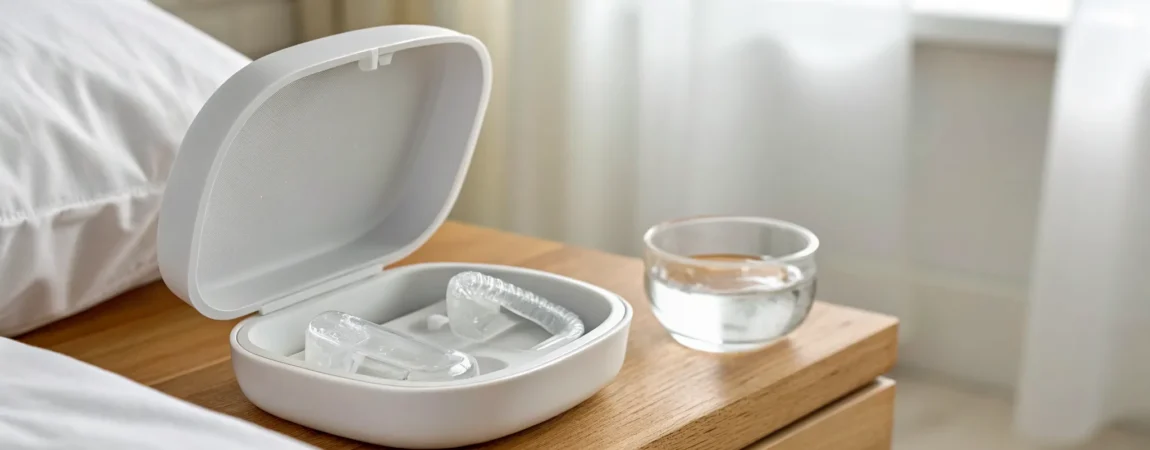
If the thought of a CPAP machine makes you want to hit the snooze button for good, you’re not alone. Many people find them cumbersome and uncomfortable. The good news is that there’s another highly effective option: an oral appliance. Think of it as a custom-fitted mouthpiece, similar to a retainer or a sports mouthguard, that you wear only while you sleep. These devices are a leading, FDA-approved treatment for obstructive sleep apnea and snoring, offering a comfortable and convenient alternative to CPAP. They are designed by sleep medicine specialists to be both effective and easy to use, helping you get the quiet, restful sleep you deserve.
How Does It Work?
The way an oral appliance works is surprisingly straightforward. Most devices work by gently repositioning your lower jaw or tongue slightly forward. This small adjustment is just enough to create more space in the back of your throat, preventing the soft tissues from collapsing and blocking your airway while you sleep. By keeping the airway open, the appliance allows you to breathe continuously and freely throughout the night. This stops the disruptive cycle of apnea events, so you (and your partner) can finally get a peaceful night’s rest. It’s a simple, non-invasive solution that addresses the root cause of the obstruction.
What Are the Different Types?
Oral appliances aren’t a one-size-fits-all solution; they come in a couple of different designs to suit individual needs. The most common type is the Mandibular Advancement Device (MAD). These look a lot like a mouthguard and work by fitting over your upper and lower teeth. They gently shift your lower jaw forward to keep your airway open. The other main type is a Tongue-Retaining Device (TRD). Instead of moving your jaw, a TRD has a small compartment that holds your tongue forward with light suction, preventing it from falling back into your throat. While both are effective, Mandibular Advancement Devices are far more common and what most people use for sleep apnea treatment.
Custom-Fitted vs. Over-the-Counter: What’s the Difference?
You might see “boil and bite” mouthguards sold online or in drugstores, but these are not the same as a professionally made oral appliance. The difference is huge. A custom-fitted device from a dental sleep specialist is made from precise digital scans or physical impressions of your mouth. This ensures it fits your teeth and jaw perfectly, providing maximum comfort and effectiveness. Over-the-counter options are generic and can lead to a poor fit, jaw pain, and disappointing results. A custom-made oral appliance is a true medical device, tailored specifically to your anatomy to provide the best possible outcome for your sleep apnea.
How Effective Are Oral Appliances?
When you’re looking for an alternative to CPAP, the big question is: does it actually work? It’s a fair question, and the answer depends on a few factors, including your specific diagnosis and how consistently you use the treatment. Oral appliances have helped many people finally get a good night’s sleep, but it’s important to have realistic expectations. Let’s look at what the research says and what makes this treatment successful.
What Does the Research Show?
Oral appliances, especially the custom-fitted ones called mandibular advancement devices (MADs), work by gently shifting your lower jaw forward. This small movement is just enough to open up your airway while you sleep, preventing the blockages that cause apnea.
So, how well do they work? Clinical studies show that for people with obstructive sleep apnea (OSA), about one-third see their condition resolve completely with an oral appliance. Another third experience a significant improvement in their symptoms, meaning fewer interruptions in their breathing and better quality sleep. For the remaining third, the device may not be as effective. This is why a professional evaluation is so critical to determine if you are a good candidate.
Does the Severity of Your Sleep Apnea Matter?
The short answer is yes, severity often plays a role. Oral appliances are most commonly recommended for individuals with mild to moderate obstructive sleep apnea. For these cases, they can be a highly effective first-line treatment. They offer a comfortable and convenient solution that many people find easier to stick with than a CPAP machine.
However, that doesn’t mean they’re off the table if your sleep apnea is severe. Oral appliances are also a fantastic alternative treatment for anyone who has tried CPAP and simply can’t tolerate it, regardless of their OSA severity. If your CPAP machine is sitting in the closet collecting dust, it isn’t helping you. An oral appliance you use every night is a much better solution.
Long-Term Success and Sticking With It
Here’s the thing about any treatment: it only works if you use it. The long-term success of an oral appliance comes down to consistency. Research shows that some people stop using their appliance over time, which means their sleep apnea symptoms return. The biggest barrier is often a poor fit or discomfort, which is why getting a generic, over-the-counter device is not the answer.
Working with a specialist in dental sleep medicine is the best way to ensure your success. We take precise measurements to create a device that is custom-made for your mouth, ensuring it’s as comfortable as possible. Regular follow-up appointments allow us to make small adjustments and support you in making the appliance a seamless part of your nightly routine.
Oral Appliance vs. CPAP: A Head-to-Head Comparison
When you’re diagnosed with sleep apnea, the conversation almost always turns to treatment options, with CPAP and oral appliances being the two main contenders. A CPAP machine uses continuous positive airway pressure to keep your airway open, while an oral appliance physically repositions your jaw. Both are effective tools, but they work very differently. The right choice for you depends on your specific diagnosis, your lifestyle, and what you can realistically stick with long-term. Let’s compare them side-by-side.
Comparing Key Treatment Results
The standard treatment for moderate to severe sleep apnea is often a CPAP machine, and for good reason. When used correctly and consistently, it’s incredibly effective at preventing airway collapse. The challenge, however, is that many people find the mask and air pressure uncomfortable, making it difficult to use all night, every night.
This is where oral appliances come in. While CPAP might be the heavyweight champion in a lab setting, an oral appliance is a strong contender for real-world effectiveness. Research shows that about a third of patients using a custom-fitted oral appliance see their sleep apnea completely resolve, and another third experience at least a 50% reduction in its severity. The key takeaway is that a treatment you use consistently, even if slightly less powerful on paper, can provide better overall health outcomes than a “perfect” treatment you can’t tolerate.
Comfort, Consistency, and Daily Life
The biggest advantage of an oral appliance often comes down to comfort and convenience. Think about it: there’s no mask, no hose, and no machine humming on your nightstand. Because oral appliances are quiet, portable, and don’t require electricity, patients generally find them easier to tolerate. This makes a huge difference in day-to-day life, especially if you travel or simply don’t want to be tethered to a machine.
This improved comfort leads directly to better consistency. The most effective sleep apnea treatment is the one you actually use every single night. If your CPAP machine ends up collecting dust in a closet because it’s too cumbersome, it’s not doing you any good. An oral appliance that you can wear comfortably through the night is a far more practical and successful solution for many people.
When Is an Oral Appliance the Better Choice?
So, how do you know if an oral appliance is right for you? Generally, dental devices are a first-line recommendation for people with mild to moderate obstructive sleep apnea. They provide an excellent, less invasive way to manage the condition effectively.
However, they are also a fantastic alternative to CPAP for those with severe sleep apnea who just can’t get used to the machine. If you’ve tried CPAP and struggled with claustrophobia, skin irritation from the mask, or general discomfort, you are not out of options. Switching to an oral appliance isn’t giving up; it’s choosing a different, proven path to better sleep and better health. A sleep specialist can help you determine if it’s the right move for your specific situation.
Are You a Good Candidate for an Oral Appliance?
An oral appliance can be a life-changing treatment, but it’s not a one-size-fits-all solution. Several factors, from your diagnosis to your personal preferences, play a role in determining if it’s the right path for you. Let’s walk through who typically sees the most success with this therapy.
For Mild to Moderate Sleep Apnea
If your sleep study revealed you have mild to moderate obstructive sleep apnea (OSA), you’re in a great position. For this group, an oral appliance isn’t just a backup plan; it’s considered a first-line treatment, right alongside CPAP. This means you have a choice. If you prefer a less invasive and more portable option, you can confidently choose an oral appliance as your primary therapy. It’s an effective, clinically-backed approach for managing your symptoms and improving your health, giving you more control over your treatment from day one.
If You Can’t Tolerate CPAP
Have you tried CPAP therapy only to find it uncomfortable, noisy, or just plain difficult to stick with? You are not alone. Many people struggle with masks, hoses, and the feeling of forced air, leading them to abandon treatment altogether. This is where an oral appliance can be a game-changer. It’s a highly effective alternative for those who can’t use a CPAP machine, allowing you to get the consistent, nightly treatment you need without the hassle. Don’t let a bad experience with CPAP stop you from treating your sleep apnea.
How Your Anatomy Affects Your Fit
While a specialist is the only one who can truly determine your candidacy, certain physical traits are linked to higher success rates with oral appliances. Research shows that these devices tend to be particularly effective for younger individuals, women, and people with a lower body mass index (BMI) and smaller neck circumference. These are simply indicators of success, not strict requirements. Many people outside of these categories find great relief with oral appliances. A thorough evaluation with a dental sleep medicine expert will assess your specific anatomy to find the best solution for you.
Who Might Not Be a Good Fit?
Oral appliances are not suitable for everyone, and it’s important to understand the limitations for your own safety. This therapy is not recommended for individuals with central sleep apnea, a condition where the brain fails to send proper signals to the muscles that control breathing. Additionally, while it can be an option, an oral appliance alone may not be sufficient for those with severe obstructive sleep apnea. In these cases, it might not provide enough airflow, which can be dangerous. A professional diagnosis is essential to confirm the type and severity of your sleep apnea before starting any treatment.
What Are the Potential Side Effects?
Starting any new treatment comes with questions, and it’s smart to understand the potential side effects of an oral appliance. The good news is that for most people, the side effects are minor and temporary. With a custom-fitted device from a specialist, serious issues are rare. The key is knowing what to expect and working closely with your provider to ensure your treatment is both effective and comfortable from the very beginning.
Your journey to better sleep should feel supportive, so let’s walk through what you might experience as you get used to your new appliance and how ongoing care helps keep your smile healthy for the long run.
Common Short-Term Adjustments
When you first start wearing your oral appliance, think of it as a brief adjustment period, similar to breaking in a new pair of shoes. For the first week or two, it’s common to notice a few temporary changes. You might experience extra saliva, some mild soreness in your jaw or teeth, a dry mouth, or slight gum irritation. This is completely normal. Your mouth is simply getting used to a new object. These feelings typically fade on their own as you consistently wear the device and your body adapts.
Long-Term Considerations
Long-term side effects are uncommon, especially when your device is professionally designed and fitted just for you. In some rare cases, an ill-fitting appliance could cause gradual changes in your bite or slight tooth movement over time. This is why a one-size-fits-all approach just doesn’t work. Regular check-ins with your dental sleep specialist are essential to monitor your progress and make sure everything is staying exactly where it should be. These appointments allow your provider to make tiny adjustments to the appliance, preventing these issues before they start and ensuring your oral appliance therapy remains successful.
What If You Already Have TMJ?
This is a great question, especially since jaw pain and sleep apnea can often go hand-in-hand. If you have a TMJ disorder, it doesn’t automatically mean an oral appliance is off the table. In fact, for some people, the device can help by stabilizing the jaw in a healthier position. However, a thorough evaluation is critical. For those with severe TMJ issues or a history of intense teeth grinding (bruxism), a different approach might be better. This is where a specialist who understands the complex relationship between your jaw, airway, and teeth can provide the right guidance for your specific TMJ treatment.
Minimize Risks with Ongoing Care
The single best way to ensure your oral appliance works effectively with minimal side effects is through consistent, professional care. This isn’t a “set it and forget it” solution. Regular follow-up appointments are part of the treatment plan for a reason. These visits allow your provider to check the fit of your device, assess the health of your teeth and jaw, and confirm that your sleep apnea symptoms are improving. Working with a team of board-certified doctors who specialize in dental sleep medicine ensures you have an expert partner dedicated to managing your treatment and safeguarding your overall health.
What to Consider Before You Start
Deciding to try an oral appliance is a big step toward better sleep, and a little preparation can make all the difference. Before you jump in, it’s helpful to think through a few key things to make sure you’re setting yourself up for success. Think of this as your personal checklist for getting started on the right foot. From getting the right diagnosis to finding a qualified specialist, each step is designed to ensure your treatment is safe, effective, and tailored specifically to you. This isn’t just about buying a product; it’s about starting a partnership with a healthcare provider who will guide you through the process.
Taking the time to consider these points will help you feel confident and informed as you begin your journey. It’s not just about getting a device; it’s about finding a comprehensive solution that fits your health needs and your lifestyle. When you know what to expect, you can ask the right questions and make choices that lead to better nights and more energetic days. This proactive approach helps ensure that your investment of time and resources pays off with the restful sleep you’ve been missing. Let’s walk through what you need to know before you begin treatment.
Get a Professional Diagnosis First
The most important first step is to get a formal diagnosis from a sleep physician. While it might be tempting to try an over-the-counter device for snoring, oral appliances are medical devices designed to treat obstructive sleep apnea (OSA). Using one without a proper diagnosis can mask the symptoms of a more serious underlying condition. A sleep study will confirm if you have OSA, determine its severity, and ensure that an oral appliance is an appropriate treatment for you. This professional evaluation is the foundation for a safe and effective treatment plan.
Prioritize a Custom, Adjustable Fit
When it comes to oral appliances, one size definitely does not fit all. While you might see “boil and bite” guards online or in stores, the most effective oral appliances are custom-made by a dentist to fit the unique structure of your mouth. A custom device is not only more comfortable but also far more effective because it’s designed to hold your jaw in the precise position needed to keep your airway open. These devices are also adjustable, allowing your dentist to fine-tune the position over time for optimal results and comfort, something an off-the-shelf product simply can’t offer.
Understand Your Cost and Insurance Options
It’s smart to have a clear picture of the investment before you start. The cost of a custom-fitted oral appliance typically includes the initial consultation, the device itself, and any necessary follow-up appointments for adjustments. The good news is that many medical insurance plans, including PPO, HMO, and Medicare, often cover oral appliance therapy when it’s prescribed by a physician to treat diagnosed sleep apnea. Our team at Spark Sleep Solutions is experienced in working with medical insurance and can help you understand your coverage and any out-of-pocket costs.
Choose a Specialist in Dental Sleep Medicine
You wouldn’t see a foot doctor for a heart problem, and the same logic applies here. For the best results, you should work with a dentist who has specialized training and experience in dental sleep medicine. These specialists have a deep understanding of how oral health and anatomy relate to sleep-related breathing disorders. A qualified provider will know how to properly fit your device, make precise adjustments, and manage any potential side effects. Look for a dentist who is board-certified and works closely with sleep physicians to ensure you receive coordinated, expert care.
Commit to Regular Follow-Up Appointments
Your oral appliance journey doesn’t end the day you receive your device. Regular follow-up appointments are essential to your long-term success. These visits allow your dentist to check the fit and condition of your appliance, make any necessary adjustments to keep it working effectively, and monitor your teeth and jaw for any changes. It’s also a chance for you to discuss how you’re feeling and address any concerns. Consistent follow-up care ensures your treatment remains effective and comfortable for years to come, helping you continue to get the restful sleep you deserve.
Your Oral Appliance Journey with Spark Sleep Solutions
Taking the first step toward treating your sleep apnea can feel like a big decision, but you don’t have to do it alone. At Spark Sleep Solutions, we guide you through every stage of the process, making sure you feel confident and supported. Your journey begins with a thorough consultation where we get to know you, your symptoms, and your lifestyle. From there, we create a treatment plan that’s built just for you.
An oral appliance is a custom-fitted mouthpiece designed to keep your airway open while you sleep. Think of it as a highly specialized retainer for sleep apnea. Because comfort and a proper fit are essential for success, we don’t believe in a one-size-fits-all approach. We work with over 100 different FDA-approved oral appliances to find the one that works best for your specific anatomy and needs. Our team uses precise digital scans to create a device that is both effective and comfortable enough for you to wear all night, every night. This personalized approach is key to making your treatment a long-term success.
We know that sticking with a new therapy is easier when you have a strong support system. Studies show that patient comfort and ease of use are critical for making oral appliance therapy work in the long run. That’s why our care doesn’t stop once you receive your device. We schedule regular follow-up appointments to make any necessary adjustments and ensure your appliance is working perfectly. Our board-certified doctors are specialists in dental sleep medicine, and our entire team is here to answer your questions and help you adapt to your new routine. We’re your partners in achieving restful, healthy sleep.
Frequently Asked Questions
Is an oral appliance really as effective as a CPAP machine? This is the number one question people ask, and it’s a great one. While a CPAP is extremely powerful, its effectiveness depends entirely on you using it every single night. An oral appliance’s strength is its comfort and convenience, which means people are far more likely to wear it consistently. For many with mild to moderate sleep apnea, a custom appliance is just as effective. For those who can’t tolerate CPAP, a comfortable oral appliance you use every night is a much better solution than a CPAP machine collecting dust.
I’m worried about it causing jaw pain or shifting my teeth. Is that a risk? It’s normal to feel some minor jaw or tooth soreness for the first few days as your mouth adjusts, but this feeling is temporary. Significant, long-term pain or changes to your bite are very rare, and they are almost always the result of a poorly-fitting, generic device. This is why working with a specialist is so important. We create a device from precise scans of your mouth and schedule regular follow-ups to make small adjustments, ensuring your treatment is comfortable and your smile stays healthy.
Can I just buy a cheaper mouthguard online instead of getting a custom one? You can, but it’s not a good idea. Those “boil and bite” guards are not medical devices and are not designed to treat a health condition like sleep apnea. They provide a generic fit that can be uncomfortable, ineffective, and may even lead to jaw problems. A custom-fitted oral appliance is a prescribed medical treatment, made specifically for your anatomy to hold your jaw in the exact position needed for clear breathing. It’s the difference between a guess and a precise, personalized solution.
How do I know if this treatment will actually work for me? An oral appliance is typically a first-line treatment recommendation if you have mild to moderate obstructive sleep apnea. It’s also an excellent choice if you have sleep apnea of any severity but simply cannot get used to a CPAP machine. The only way to know for sure is to have a consultation with a dental sleep medicine specialist. We can evaluate your specific diagnosis, anatomy, and health history to determine if you are a great candidate for this therapy.
Will my medical insurance help pay for an oral appliance? Yes, in many cases it will. Since obstructive sleep apnea is a medical condition, treatment with an oral appliance is often covered by medical insurance plans, including PPO, HMO, and Medicare. It is not typically covered by dental insurance. Our team has a lot of experience working with insurance providers, and we can help you figure out your specific coverage so you know what to expect before you begin treatment.