
About Sleep Apnea
Obstructive sleep apnea (OSA) can affect breathing repeatedly during sleep. The risks are not the same for everyone, and having risk factors does not mean that you have OSA. If you or a bed partner notices loud or persistent snoring, breathing pauses, gasping or choking during sleep, morning headaches, daytime sleepiness, or trouble concentrating, talk with a physician or sleep specialist about an evaluation.
Spark Sleep Solutions provides dental sleep medicine care for appropriate patients after a physician has evaluated and diagnosed OSA. A physician or sleep specialist may review symptoms and recommend a sleep study. Our team can coordinate with your sleep physician and discuss treatment options that fit your diagnosis, health, and preferences. This page is educational and cannot diagnose sleep apnea.
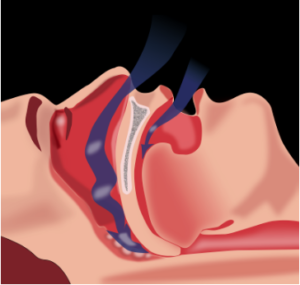 Obstructive sleep apnea occurs when the upper airway narrows or becomes blocked during sleep, causing breathing to stop or become shallow repeatedly. These events can disrupt sleep and may affect daytime alertness and health over time. OSA is different from central sleep apnea, which has a different cause and requires medical evaluation. The oral appliance therapy discussed on this page is for appropriate patients with obstructive sleep apnea, not central sleep apnea.
Research has associated obstructive sleep apnea with a higher risk of high blood pressure, cardiovascular conditions, stroke, type 2 diabetes, mood changes, and daytime impairment. These associations do not mean that OSA causes a specific condition in every person. A physician can review your medical history, symptoms, and other risk factors and help determine what evaluation or care is appropriate.
Related conditions and concerns may include:
- High blood pressure
- Cardiovascular disease
- Stroke
- Type 2 diabetes
- Mood or concentration changes
- Daytime sleepiness and safety concerns
Symptoms can have many causes and do not confirm obstructive sleep apnea. Ask a physician or sleep specialist about an evaluation if you or a bed partner notices:
- Loud or frequent snoring
- Witnessed breathing pauses
- Gasping or choking during sleep
- Daytime sleepiness or exhaustion
- Morning headaches
- Dry or sore throat on waking
- Changes in concentration, memory, or mood
Only a physician or sleep specialist can diagnose obstructive sleep apnea. They may review your symptoms and health history and recommend a home sleep apnea test or an overnight laboratory sleep study. After diagnosis, treatment depends on the type and severity of the condition, your health, and your preferences. Options may include lifestyle or positional measures, CPAP, oral appliance therapy, or other medical treatments.
For appropriate people with OSA, custom oral appliance therapy may be considered, including some people with mild-to-moderate OSA or people who cannot tolerate CPAP. Spark Sleep Solutions coordinates dental treatment with the diagnosing physician. Oral appliances do not treat central sleep apnea. Coverage depends on your medical insurance plan and clinical requirements.
Treating Sleep Apnea Patients In The Bay Area
Spark Sleep Solutions is a specialized dental sleep medicine practice serving patients with snoring and obstructive sleep apnea. After a physician diagnosis, our team can help determine whether custom oral appliance therapy is appropriate and coordinate care with your sleep physician.
We can discuss custom oral appliance options, follow-up care, and medical insurance questions. Treatment decisions should be made with your physician and dental sleep medicine team.
If sleep apnea symptoms are affecting your sleep or your bed partner’s sleep, start with a medical evaluation rather than trying to diagnose the cause yourself.
Appointments are available at our San Jose, San Ramon, Santa Cruz, and Los Gatos locations.
