
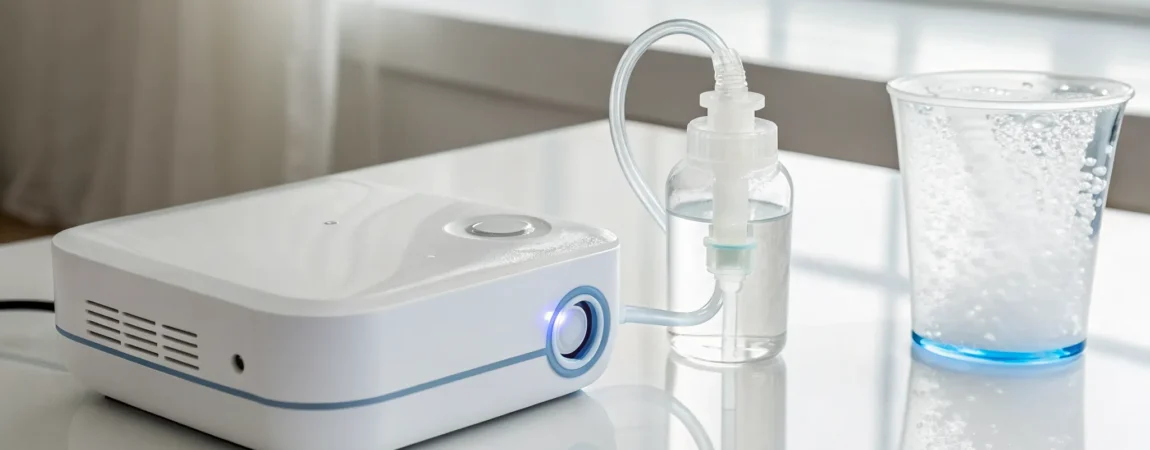
When we talk about breathing issues, many people think of daytime problems like asthma. But for many, the real struggle happens at night with conditions like sleep apnea. While a CPAP is a well-known solution, it’s just one type of device designed to help you breathe better. Understanding the broader category of airway support is key, and that includes learning about the common breathing treatment machine known as a nebulizer. While not a direct cure for sleep apnea, it can help manage related issues like congestion that worsen symptoms. This guide will demystify these devices, helping you understand all your options for better breathing, day and night.
Key Takeaways
- Understand the “what” and “why”: A breathing machine, most often a nebulizer, is a management tool, not a cure. It works by turning liquid medicine into a fine mist, delivering it directly to your lungs to help control symptoms for conditions like asthma and COPD.
- Choose a machine that fits your life: The best nebulizer for you depends on your daily routine and specific medication. Consider factors like portability for travel, noise level for quiet treatments, and ease of cleaning to ensure you can use it consistently.
- Know when to seek other solutions: While nebulizers are great for many lung conditions, they don’t solve every airway issue. If you’re struggling with a CPAP machine for sleep apnea, remember that comfortable and effective alternatives, like custom-fit oral appliances, are available to help you get restful sleep.
What Is a Breathing Treatment Machine?
If you or a loved one deals with a respiratory condition, you’ve likely heard of a breathing treatment machine. This is a general term for a device that helps deliver medication directly into your lungs. The most common type you’ll encounter is a nebulizer.
A nebulizer is a piece of medical equipment that transforms liquid medicine into a fine, breathable mist. Think of it like a personal vaporizer designed specifically for medication. Instead of swallowing a pill that has to travel through your digestive system, this method sends relief straight to the source: your airways. This approach is often used for treating lung conditions like asthma and COPD, making breathing easier and more comfortable.
How a Nebulizer Works
The process of using a nebulizer is quite simple. The small machine takes a dose of liquid medicine and, using either compressed air or vibrations, turns it into a mist. You then breathe this mist in through a connected mouthpiece or a soft mask that covers your nose and mouth. Because you can breathe normally during the treatment, the medicine gets carried deep into your lungs where it can get to work. The type of medicine used depends on your specific needs. It might be a bronchodilator to help open up your airways, a steroid to reduce inflammation, or even antibiotics to fight an infection.
Nebulizer vs. Inhaler: What’s the Difference?
While both nebulizers and inhalers deliver medicine to your lungs, they work in different ways. An inhaler is a small, portable device that delivers a pre-measured puff of medicine quickly. It requires you to coordinate your breath to inhale the medicine effectively. They are convenient for on-the-go use and are often less expensive. A nebulizer treatment takes a bit longer, usually 5 to 10 minutes, and the machine is larger. However, its major advantage is ease of use. You simply have to breathe normally, which makes it a great option for young children or for anyone experiencing a severe asthma attack. Your doctor can help you understand how to use a nebulizer and decide which device is the best fit for your treatment plan.
The Different Types of Breathing Machines
All nebulizers share the same goal: turning liquid medication into a fine, breathable mist. However, the way they achieve this can differ. The technology inside the machine determines its type, which can affect its size, noise level, and even the medications it works with. Understanding these differences is key to finding the right fit for your treatment plan. The three main types you’ll encounter are jet, ultrasonic, and mesh nebulizers. Let’s look at how each one works.
Jet (Compressor) Nebulizers
This is the classic, most common type of nebulizer you’ll see. As the name suggests, jet nebulizers use compressed air to make the mist. An air compressor unit connects via a tube to the medicine cup. When you turn it on, a powerful jet of air flows through the liquid medication, atomizing it into fine droplets that you can inhale through a mouthpiece or mask. While they are reliable and work with a wide variety of medications, they tend to be the loudest and bulkiest option, usually requiring a wall outlet for power. They are a dependable choice often used in hospitals and for at-home treatments.
Ultrasonic Nebulizers
If you’re looking for a quieter option, an ultrasonic nebulizer might be a good fit. Instead of a compressor, these devices use fast vibrations to create the mist. A piezoelectric crystal vibrates at a high speed, transferring that energy through the water to the medication, which then breaks into a fine aerosol. This process is nearly silent, making treatments much less disruptive. Ultrasonic models are often smaller and more portable than jet nebulizers. However, the vibrations can generate heat, which may not be suitable for certain complex medications. Your doctor can help you determine if this type of nebulizer is right for your prescription.
Mesh Nebulizers
Mesh nebulizers represent the newest and most advanced technology. These devices use a vibrating mesh screen to make the mist. The screen or plate has thousands of microscopic holes. As the mesh vibrates, it pushes the liquid medication through these tiny holes, creating a uniform, fine aerosol with very little waste. Mesh nebulizers are the quietest, fastest, and most compact option available, often small enough to fit in your pocket and powered by batteries. This makes them ideal for travel and on-the-go use. While they are typically more expensive, their efficiency and portability make them a popular choice for many people.
What Conditions Can Breathing Machines Treat?
Breathing treatment machines, especially nebulizers, are incredibly versatile. They are used to manage a wide variety of lung and airway conditions, from chronic diseases to acute infections. By turning liquid medication into a fine mist, these devices deliver treatment directly to the source of the problem: your lungs. This targeted approach can provide quick relief and help manage long-term symptoms effectively. Let’s look at some of the most common conditions that benefit from this type of therapy.
Asthma
For many people with asthma, a nebulizer is a key part of their treatment plan, especially during a flare-up. The machine turns liquid medicine into mist that you breathe in through a mouthpiece or mask. This allows corticosteroids or bronchodilators to travel deep into the lungs, opening up the airways and reducing inflammation. While many people use inhalers for daily management, a nebulizer can be easier to use during an asthma attack when you’re already struggling to breathe. It’s also a common choice for young children or anyone who has difficulty coordinating their breath with an inhaler.
COPD
Chronic Obstructive Pulmonary Disease (COPD) is a long-term lung disease that includes conditions like emphysema and chronic bronchitis. People with COPD often experience shortness of breath, coughing, and wheezing. Nebulizers are a cornerstone of COPD management because they provide a reliable way to deliver medication. The steady flow of medicated mist helps relax airway muscles and reduce swelling, making it easier to breathe. Using a nebulizer regularly can help control daily symptoms and can also be used to deliver stronger, fast-acting medicine during a sudden worsening of symptoms, known as an exacerbation.
Cystic Fibrosis
Cystic fibrosis (CF) is a genetic disorder that causes thick, sticky mucus to build up in the lungs, leading to blockages and frequent infections. Nebulizers are an essential tool for people with CF. They are used to deliver several types of medications, including antibiotics to fight infections, mucolytics to thin the mucus and make it easier to cough up, and bronchodilators to keep the airways open. Because treatment is a daily, lifelong commitment, the ease and effectiveness of nebulizer therapy are vital for managing the disease and maintaining lung function over time.
Bronchitis and Other Respiratory Infections
When you’re dealing with an acute respiratory infection like bronchitis or pneumonia, your airways can become inflamed and filled with mucus, making every breath a struggle. A nebulizer can provide significant relief by delivering medication directly to your inflamed airways. For example, a doctor might prescribe a bronchodilator to help open up your bronchial tubes or sterile saline solution to help loosen mucus. This can ease coughing, reduce wheezing, and make you feel more comfortable while your body fights off the infection.
Sleep Apnea and Upper Airway Issues
While nebulizers are not a direct treatment for the root causes of obstructive sleep apnea, they can help manage related symptoms. If you have congestion or inflammation in your upper airways from allergies or a cold, it can worsen snoring and breathing difficulties at night. A nebulizer can be used to deliver saline or other medications that reduce inflammation and open the airways, potentially easing some of these symptoms. However, for a definitive diagnosis and treatment of conditions like sleep apnea, which often involve physical obstructions, it’s important to see a specialist. Effective treatments like custom oral appliances are designed specifically to address these underlying structural issues.
How to Use Your Breathing Treatment Machine
Getting started with a new medical device can feel a little overwhelming, but using your breathing machine is simpler than you might think. Once you get the hang of it, the process will become a quick and easy part of your routine. Following the correct steps for setup, breathing, and cleaning ensures you get the full benefit of your treatment safely and effectively. Let’s walk through it together.
Setting Up Your Machine
First things first, let’s get your machine ready. Start by washing your hands thoroughly. Place the nebulizer on a flat, steady surface and plug it in. Connect the hose to the air compressor, then carefully pour your prescribed medication into the medicine cup, holding it upright to prevent spills. Attach the other end of the hose to the cup and the mouthpiece or mask. Sit up straight in a comfortable chair, which helps your lungs expand fully. Place the mouthpiece in your mouth and seal your lips around it, or fit the mask snugly over your nose and mouth before turning the machine on.
Breathing Techniques for an Effective Treatment
Once the machine is on and a fine mist starts to form, it’s time to begin. Just breathe normally and calmly through your mouth. There’s no need for forceful breaths. Every few breaths, try to take one slow, deep breath and hold it for two to three seconds before exhaling. This helps the medication reach deeper into your airways. Continue this pattern until all the medicine in the cup is gone, which usually takes about 5 to 15 minutes. If you start to feel dizzy or lightheaded, simply turn off the machine and take a short break to let the feeling pass.
Tips for Cleaning and Maintenance
Keeping your equipment clean is essential for preventing infections and ensuring your machine works properly. After every single treatment, wash the medicine cup and mouthpiece with warm water and let them air dry on a clean towel. Once they’re dry, reconnect them to the compressor and run it for about 20 seconds to dry any remaining moisture. For a deeper clean, you can use a little mild dish soap daily. About once a week, it’s a good idea to disinfect the parts by soaking them in a solution of one part white vinegar and two parts warm water. Don’t forget to check and change the machine’s filter according to the manufacturer’s instructions.
How to Choose the Right Breathing Machine for You
Picking the right breathing machine feels like a big decision, but it doesn’t have to be overwhelming. The best device for you really comes down to your specific medical needs, your lifestyle, and your doctor’s recommendations. Think about it like finding the perfect pair of running shoes; what works for a marathoner might not be right for a casual jogger. By considering a few key factors, you and your doctor can find a nebulizer that fits seamlessly into your life and gives you the most effective treatment possible. Let’s walk through what you should keep in mind.
Considering Portability and Size
Your daily routine plays a big role in what kind of nebulizer will work best for you. If you need treatments on the go, whether for work, school, or travel, a portable mesh or ultrasonic nebulizer is a fantastic choice. These are often small enough to fit in a purse or backpack. On the other hand, if you primarily use your breathing machine at home, a tabletop jet nebulizer might be a better fit. While larger, these models are often more durable and powerful. When you choose a nebulizer, think about where you’ll be using it most and prioritize the features that make sense for your lifestyle.
Factoring in the Noise Level
Let’s be honest, no one wants a machine that sounds like a lawnmower running in their living room. The noise level of a nebulizer is a practical consideration, especially if you have young children, live with a partner, or need to take treatments in a quiet environment like an office. Generally, jet nebulizers are the loudest type because they use a compressor to create the aerosol mist. Ultrasonic and mesh nebulizers are known for being nearly silent. If peace and quiet are high on your priority list, make sure to ask about the decibel level of any machine you’re considering.
Ease of Use and Cleaning
A breathing machine is only effective if you use it correctly and consistently, and that includes keeping it clean. Most modern nebulizers are designed to be user-friendly, but it’s still important to find one you feel comfortable operating. After each treatment, you’ll need to wash the medicine cup and mouthpiece to prevent the growth of germs. Look for a device with parts that are easy to take apart and reassemble. A simple cleaning routine makes it much easier to stick with your treatment plan and stay healthy.
Medication Compatibility
This is a big one: not every medication works with every type of nebulizer. Some medicines require a specific kind of machine to be aerosolized effectively. For example, certain viscous medications may not work well with a mesh nebulizer, while others are designed specifically for them. This is where your doctor’s guidance is essential. They will prescribe not only your medication but also the type of nebulizer that is compatible with it. Always follow your doctor’s recommendation to ensure you’re getting the full benefit of your prescribed treatment.
Understanding Cost and Insurance Coverage
The cost of a nebulizer can vary, but the good news is that you likely won’t have to pay for it all out of pocket. Because nebulizers are prescribed medical devices, most health insurance plans, including PPO, HMO, and Medicare, will help cover the cost. Our team at Spark Sleep Solutions has extensive experience working with medical insurance and can help you understand your benefits. You can also use funds from a Flexible Spending Account (FSA) to pay for nebulizer services. We believe that getting the care you need shouldn’t be a financial burden, and we’re here to help you through the process.
A Look at Common Breathing Machine Brands
When you start looking for a breathing machine, the number of options can feel overwhelming. While your doctor will guide you toward the right type of device for your specific needs, it helps to be familiar with some of the most trusted names in the industry. Certain brands have built a reputation for reliability, ease of use, and effective treatment delivery. Getting to know them can make your conversation with your healthcare provider more productive and help you feel more confident in your choice. Let’s look at a few common brands and models you might encounter.
Pari Vios
The Pari Vios is a real workhorse in the world of nebulizers. It’s known for being incredibly reliable, which is exactly what you want in a medical device you depend on. This machine is designed for continuous use and is built to last, delivering medication effectively deep into the lungs. One of the great things about the Vios is its versatility; it’s suitable for both adults and children, making it a solid choice for families. If your doctor recommends a durable, tabletop compressor that gets the job done consistently, the Pari Vios is a name you’ll likely hear.
Pulmo-Aide Nebulizer System
If you’ve known someone who uses a nebulizer at home, there’s a good chance they’ve used a Pulmo-Aide. This system is a long-standing favorite for home use, and for good reason. It’s recognized for its durability and straightforward operation, which removes a lot of the stress that can come with managing a respiratory condition. Patients appreciate that it’s a device they can count on day in and day out for efficient treatments. When you need a no-fuss, dependable machine for your daily breathing therapy, the Pulmo-Aide is a classic and popular choice.
Innospire Elegance
The Innospire Elegance strikes a nice balance between performance and convenience. As the name suggests, it has a more compact and sleek design than some of the bulkier, older models, making it easier to store away when you’re not using it. Two of its standout features are its relatively quiet operation and quick treatment times, which means less disruption to your daily routine. While it’s still a tabletop unit, its smaller footprint is a welcome feature for anyone who values a tidy space. This model is a great example of how modern nebulizer compressors are designed with the user’s lifestyle in mind.
Portable Mesh Nebulizer Options
For those who need to take treatments on the go, portable mesh nebulizers are a game-changer. These devices are incredibly lightweight and compact, often small enough to fit in a purse or pocket. Because they are battery-operated and use mesh technology to create a fine mist, they are nearly silent and can be used anywhere, from the office to an airplane. This level of convenience offers a new sense of freedom for people who don’t want their treatment schedule to tie them down. The growing popularity of these devices means there are many great options available.
Myths vs. Facts About Breathing Machines
When you’re trying to find the right solution for a breathing issue, it’s easy to get tangled in a web of misinformation. Breathing machines like nebulizers are incredibly helpful tools, but a lot of confusion surrounds how they work and what they can actually do. Let’s clear the air and separate some common myths from the facts, so you can feel more confident in conversations with your doctor about your respiratory health. Understanding these distinctions is a key step in making sure you get the most effective and appropriate care for your specific needs.
Myth: Nebulizers Are a Cure
It’s a common hope that a treatment will be a permanent fix, but it’s important to understand that nebulizers are not a cure for conditions like asthma. Instead, think of them as a powerful tool to manage asthma symptoms and provide relief when you need it most. A nebulizer delivers medication directly to your lungs to open up airways, reduce inflammation, and make breathing easier during a flare-up. While this is essential for controlling the condition and preventing severe attacks, it doesn’t address the underlying chronic nature of asthma. True management involves a comprehensive plan from your doctor, which may include a nebulizer alongside other long-term control medications and lifestyle adjustments.
Myth: Nebulizers Are Always Better Than Inhalers
You might assume that a larger machine like a nebulizer is automatically more effective than a small, portable inhaler, but that’s not always the case. For many people, including babies and young children, a metered-dose inhaler used with a spacer and mask can be equally effective at delivering medication to the lungs. The best choice often comes down to the specific situation, the type of medication, and what the patient can use most effectively. While nebulizers are great for those who have trouble coordinating their breath with an inhaler, an inhaler’s portability makes it a more convenient option for on-the-go relief.
Myth: Any Medication Works in Any Nebulizer
It might seem like all nebulizers do the same thing, but they aren’t one-size-fits-all. Different types of nebulizers (jet, ultrasonic, and mesh) work in unique ways, and some medications are formulated to work only with specific delivery systems. For example, certain medicines may break down or be less effective if used in the wrong type of machine. This is why it’s so important to follow your doctor’s and pharmacist’s instructions precisely. Your doctor will help you choose the right type of nebulizer for your prescribed medication to ensure you receive a safe and effective dose every time. Never try to use a different medication in your nebulizer without consulting your healthcare provider first.
Staying Safe: Side Effects and Precautions
Using a breathing machine is a straightforward process, but like any medical treatment, it’s important to be aware of potential side effects and safety measures. Knowing what to look for and how to respond will help you feel confident and in control of your respiratory health. Following the prescribed guidelines ensures you get the most effective treatment with minimal issues.
Common Side Effects to Look For
While using a nebulizer is generally very safe, it’s good to know what to expect. Some people notice a rapid heartbeat, feel a bit jittery, or experience a mild headache or nausea right after a treatment. These symptoms are typically caused by the medication and usually fade within about 20 minutes. A bit of throat irritation is also common, but it shouldn’t be painful. Think of these as signs that the medication is getting to work. If they feel particularly strong or don’t go away, it’s always a good idea to mention it to your doctor during your next visit so they can make adjustments if needed.
Safety Tips for Children and Adults
To get the full benefit of your treatment and stay safe, a few simple habits can make a big difference. Make sure you are sitting upright to help the medication reach deep into your lungs. Whether you’re using a mask or a mouthpiece, ensure it creates a good seal around your nose and mouth. A typical treatment lasts about 5 to 10 minutes, or until the medicine cup is empty. For parents, it’s important to supervise children to make sure they are using the device properly and not getting too fidgety. Making it a calm, quiet time can help the process go smoothly for everyone.
When to Call Your Doctor
While minor side effects are common, some symptoms require immediate attention. If you experience any symptoms of an allergic reaction, such as hives, swelling of your face or throat, chest pain, or sudden difficulty breathing, you should seek emergency medical help right away. You should also contact your doctor if your regular side effects feel more intense than usual. For example, if your heart feels like it’s racing and won’t slow down, or if you feel more anxious or short of breath after a treatment, it could be a sign that your medication dosage needs to be reviewed. Trust your instincts, if something feels wrong, it’s always best to get professional medical advice.
What If a Breathing Machine Isn’t the Answer?
While a nebulizer or CPAP machine can be a game-changer for many respiratory and sleep conditions, it’s not a one-size-fits-all solution. For some people, especially those dealing with sleep apnea, a breathing machine can feel cumbersome, noisy, or just plain uncomfortable. If you’ve ever wrestled with a CPAP mask or felt tied down by tubes, you know the frustration. The good news is, you’re not out of options.
Feeling like your prescribed treatment isn’t working for your lifestyle is a common and valid concern. The best treatment is one you can stick with consistently. Forcing yourself to use a device that disrupts your sleep or causes anxiety isn’t a sustainable path to better health. That’s why it’s so important to talk with your doctor about your experience and explore other paths. From simple lifestyle adjustments to advanced custom devices, there are many effective ways to manage airway conditions and get the restorative sleep you need without being attached to a machine.
Exploring Alternatives for Sleep Apnea and Airway Conditions
If a CPAP machine isn’t the right fit for you, there are several other effective treatments for sleep apnea. Simple lifestyle changes like losing weight or changing your sleep position can make a big difference. For many, a custom-fit oral appliance is a comfortable and highly effective alternative. These devices, which look similar to a mouthguard, work by shifting your jaw or tongue to keep your airway open while you sleep. In some cases, surgery may be an option to correct structural issues. The key is to find the solution that works for you, and our team is here to help you explore all the treatment options available.
Frequently Asked Questions
Is a nebulizer the same as a CPAP machine? That’s a great question, as they can sometimes be confused. A nebulizer is a machine that turns liquid medicine into a fine mist for you to breathe in, treating lung conditions like asthma or COPD. A CPAP machine, on the other hand, doesn’t use medication. It provides a steady stream of air pressure through a mask to keep your airway open while you sleep, which is a direct treatment for obstructive sleep apnea.
Can I use a nebulizer to treat my sleep apnea? While a nebulizer can help with symptoms that might make sleep apnea worse, like nasal congestion from a cold or allergies, it does not treat the root cause of sleep apnea itself. Sleep apnea is typically caused by a physical obstruction of your airway. For a lasting solution, it’s best to see a specialist who can diagnose the issue and discuss effective treatments, such as custom-fit oral appliances that are designed specifically to keep your airway open.
How do I choose between a portable or a tabletop nebulizer? The best choice really depends on your lifestyle. If you have a busy schedule, travel often, or need to take treatments at work, a portable mesh nebulizer is a fantastic option because it’s small, quiet, and battery-powered. If you primarily do your treatments at home and want a durable, powerful machine, a classic tabletop model is a very reliable and effective choice.
What happens if I feel jittery or my heart races after a treatment? Feeling a little shaky or noticing a faster heartbeat are common side effects of many nebulizer medications, and they usually fade within about half an hour. However, you should always trust your instincts. If these feelings are intense, don’t go away, or if you feel worse after a treatment, it’s important to contact your doctor. They may need to adjust your medication or dosage.
Do I have to pay for a nebulizer myself? Because a nebulizer is a prescribed piece of medical equipment, you likely won’t have to cover the entire cost on your own. Most medical insurance plans, including PPO, HMO, and Medicare, provide coverage for nebulizers. Our team has a lot of experience working with insurance providers and can help you figure out your specific benefits so that cost doesn’t stand in the way of your health.

