

Sleep apnea for military personnel deserves a careful, coordinated evaluation because symptoms can affect sleep quality, alertness, training, and daily health. A sleep physician or other qualified medical provider must diagnose obstructive sleep apnea through an appropriate sleep study. After diagnosis, treatment may include positive airway pressure, a custom oral appliance, surgery, or supportive measures based on your condition and preferences.
Call Spark Sleep Solutions at 408-490-0182
This guide explains what active-duty service members, veterans, and their families should know before seeking care. It does not determine military readiness, disability status, benefits eligibility, or the right treatment for any individual.
What does sleep apnea mean for military personnel?
For military personnel, sleep apnea is a sleep-related breathing disorder that can repeatedly reduce or interrupt breathing during sleep. The condition is not diagnosed from snoring alone. A medical evaluation can help distinguish obstructive sleep apnea from other sleep disorders and identify a treatment plan that fits health needs, duty demands, and follow-up requirements.
Symptoms can be easy to miss
Common clues may include loud or persistent snoring, witnessed pauses in breathing, gasping during sleep, morning headaches, dry mouth, difficulty concentrating, or excessive daytime sleepiness. A bed partner may notice breathing changes before you do. Night-shift schedules, field conditions, stress, and irregular sleep can also make it harder to recognize a pattern.
Why a formal diagnosis matters
Sleep apnea symptoms overlap with fatigue from demanding schedules, insomnia, medication effects, and other health conditions. That is why a clinician should review your history rather than relying on a questionnaire or an online symptom list. A documented diagnosis also gives your treating team a clear basis for discussing treatment, monitoring, and follow-up.
How is sleep apnea diagnosed for active-duty service members and veterans?
Sleep apnea is diagnosed by a qualified medical provider after reviewing symptoms, health history, and sleep-study results. Depending on the situation, testing may occur at home or in a sleep center. The ordering provider decides which study is appropriate and interprets the results in the context of your health, not just one score.
Learn more about the testing process in Spark Sleep Solutions’ patient guide to sleep apnea diagnosis and sleep studies.
What a sleep study may measure
A sleep study can record breathing patterns, airflow, oxygen levels, heart rate, body position, and other signals during sleep. The exact measurements depend on the type of study. The Military Health System explains that diagnostic testing may include an in-laboratory polysomnogram or a home sleep study when the patient meets the relevant clinical criteria.
For active-duty service members, coverage and referral pathways may be connected to the current military health system or TRICARE rules. The TRICARE Sleep Studies page explains current referral and coverage information, but it should not replace confirmation from your current care team or benefits administrator.
What to bring to the appointment
- A list of current symptoms and when they occur
- Reports from prior sleep studies, if available
- Information about previous CPAP or positive airway pressure use
- Medication and medical history details
- Questions about duty schedules, travel, training, and follow-up care
If you already have a diagnosis, bring the complete report rather than only a summary number. Your sleep physician and dental sleep specialist may need the full findings to discuss whether an oral appliance evaluation is appropriate.
What sleep apnea treatments may be considered?
Sleep apnea treatment depends on the type and severity of the disorder, related health conditions, anatomy, prior treatment experience, and personal preferences. The 2025 VA/DoD clinical practice guideline describes positive airway pressure as a first-line option for severe obstructive sleep apnea, while positive airway pressure or a mandibular advancement device may be considered for other severity levels after clinical evaluation.
| Option | What it may involve | Important question |
|---|---|---|
| Positive airway pressure | Air pressure delivered through a mask during sleep | Can you use it consistently at home, while traveling, and during required activities? |
| Custom oral appliance | A dentist fits an adjustable device that supports the lower jaw during sleep | Does a sleep physician and qualified dentist agree that you are a suitable candidate? |
| Surgical evaluation | An assessment of whether a procedure may address an airway or anatomical concern | What are the expected benefits, risks, recovery, and alternatives? |
| Supportive measures | Position, sleep, medication, or lifestyle changes used when clinically appropriate | Are these measures enough for your diagnosed condition, or are they being used with treatment? |
The same guideline emphasizes shared decision-making and matching care to the patient’s circumstances. No treatment should be selected because it is marketed as universally best. Follow-up testing or monitoring may be needed to determine whether the chosen treatment is working.
Read Spark Sleep Solutions’ overview of sleep apnea treatment options without CPAP for a broader explanation of the available approaches.
View Spark Sleep Solutions’ oral appliance treatment options
Can a military member use a custom oral appliance instead of CPAP?
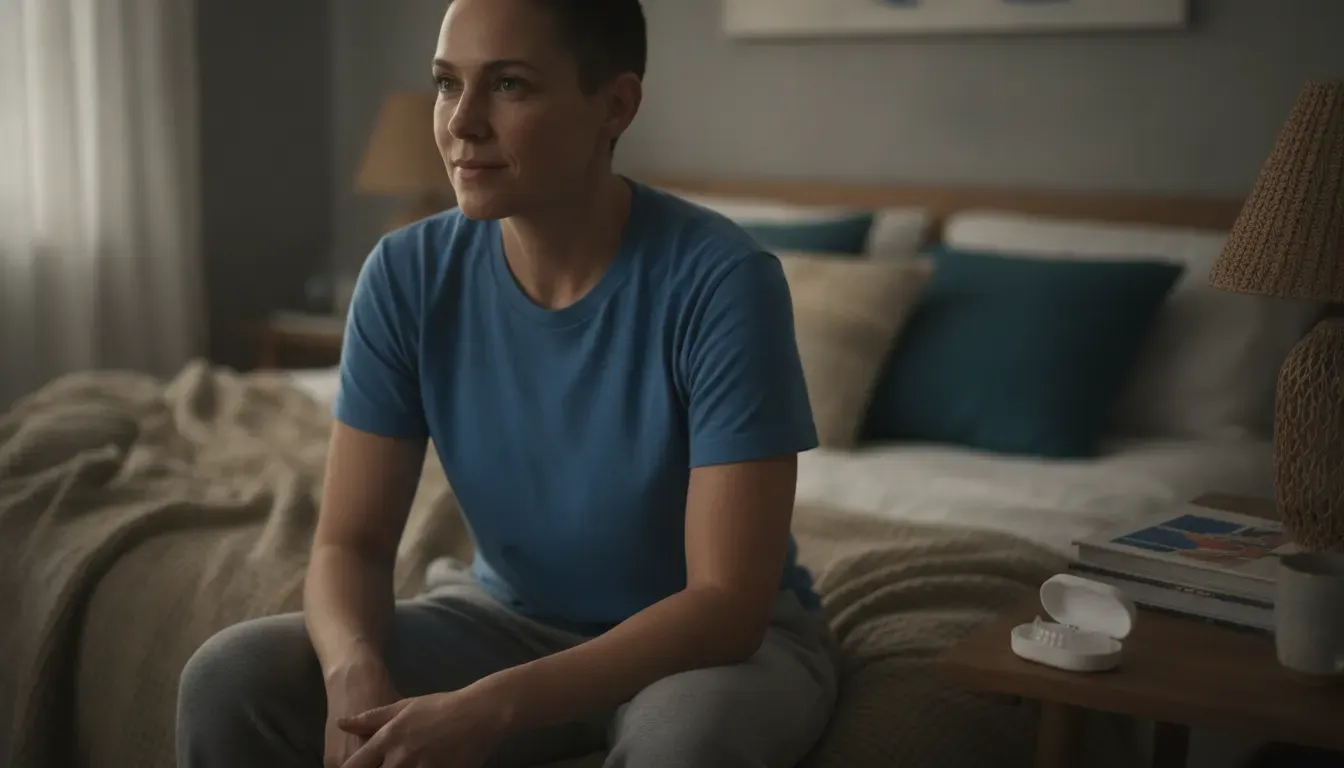
A custom oral appliance may be an option for some people with diagnosed obstructive sleep apnea, especially when a sleep physician and qualified dental sleep specialist determine that it fits the patient’s clinical needs. It is not a universal replacement for CPAP, does not treat central sleep apnea, and should not be selected without diagnosis and follow-up.
Why fit and follow-up matter
Over-the-counter oral devices are not the same as a custom oral appliance for sleep apnea. A qualified dental sleep specialist evaluates dental health, jaw function, airway concerns, and device fit. Follow-up appointments help address comfort, make adjustments, and coordinate objective testing when your treating team recommends it.
How to compare oral appliance therapy and CPAP
CPAP and oral appliance therapy work in different ways. CPAP uses pressurized air, while an oral appliance changes the position of the lower jaw or tongue-related structures during sleep. The relevant question is not which treatment is best for everyone. It is which evidence-based option is appropriate for your diagnosis and more workable for your circumstances.
Use Spark Sleep Solutions’ oral appliance therapy versus CPAP comparison to understand the differences without treating either option as a cure. The practice provides access to more than 100 FDA-approved custom oral devices and coordinates with sleep physicians for diagnosis and treatment planning.
Questions for a military or veteran care team
- Is my diagnosis current, and does my sleep study contain the information needed for treatment planning?
- Is my sleep apnea obstructive, central, or a combination that needs a different evaluation?
- What treatment is recommended for my severity, health conditions, and schedule?
- How will treatment use and response be monitored?
- What follow-up is needed if I travel, change duty stations, or move between care systems?
What should military personnel know about medical insurance and benefits?
Coverage for sleep studies, positive airway pressure, oral appliances, and follow-up care depends on the responsible health program, your eligibility, plan rules, clinical documentation, and the provider’s participation status. Military personnel and veterans should confirm current requirements with the appropriate TRICARE, Department of Defense, VA, or medical insurance representative before scheduling treatment.
For Bay Area patients, Spark Sleep Solutions works with medical insurance. The practice can help patients understand the documentation needed for an oral appliance evaluation, but coverage is determined by the plan. Review the practice’s medical insurance information for oral appliances and ask what applies to your specific policy.
Do not confuse treatment eligibility with benefit approval
A clinician may determine that a treatment is medically appropriate, while an insurer or military health program applies separate administrative criteria. Those decisions are related but not identical. Ask for the current written requirements, whether a referral is needed, and whether authorization must be obtained before a device or study is provided.
The VA/DoD guideline is a clinical decision-support document, not a guarantee of benefits. Its recommendations should be discussed with the clinicians managing your care. Likewise, an online article cannot establish disability compensation, service connection, readiness status, or an exemption from any duty requirement.
How can Bay Area military personnel take the next step?
The safest next step is to move from symptoms to coordinated evaluation. Start with a qualified medical provider or sleep physician, gather your records, and ask which treatment pathways fit your diagnosis and daily demands. If oral appliance therapy may be appropriate, a dental sleep specialist can evaluate candidacy after diagnosis and coordinate care with the treating physician.
- Talk with your primary care clinician, sleep physician, military health provider, or VA care team about your symptoms.
- Complete the recommended sleep study and keep the full report.
- Discuss positive airway pressure, oral appliance therapy, surgery, and supportive measures in the context of your diagnosis.
- Confirm medical insurance, TRICARE, or VA requirements before beginning treatment.
- Choose follow-up care that you can realistically maintain during travel, training, and schedule changes.
When evaluating a dental sleep medicine provider, look for coordinated physician communication, custom-device experience, and a clear follow-up process. Spark Sleep Solutions is focused exclusively on dental sleep medicine and TMJ care. Dr. Srujal H. Shah is identified by the practice as a Diplomate of the American Board of Dental Sleep Medicine (DABDSM) and the American Sleep and Breathing Academy (DASBA). DABDSM and DASBA are separate professional credentials related to dental sleep medicine and sleep-related breathing care. They support provider expertise but do not replace medical diagnosis.
Military personnel, veterans, and family members in the Bay Area can learn about Spark Sleep Solutions’ sleep medicine doctors before choosing a consultation.
Request an appointment with Spark Sleep Solutions
Bring your sleep-study report and insurance questions to the conversation. You can also call 408-490-0182 to discuss the appropriate next step.
Frequently asked questions about sleep apnea for military personnel
Can snoring alone confirm sleep apnea?
No. Snoring can occur with sleep apnea, but it can also occur without repeated breathing interruptions. A qualified provider uses a medical evaluation and sleep-study results to diagnose the condition.
Does a sleep apnea diagnosis automatically determine military readiness?
No. Readiness, duty limitations, and related administrative decisions depend on the applicable military branch, current policy, medical findings, and authorized personnel. Ask your military medical team for current guidance.
Can veterans use an oral appliance for obstructive sleep apnea?
Some veterans may be candidates for a custom oral appliance after confirmed obstructive sleep apnea and clinical evaluation. The treating team must determine whether it is appropriate, and coverage or referral requirements should be confirmed through the applicable VA or insurance pathway.
Is an oral appliance a cure for sleep apnea?
No. An oral appliance is a treatment that may help manage obstructive sleep apnea for appropriate candidates. Follow-up is important because the care team may need to confirm treatment response and adjust the device.
Does Spark Sleep Solutions diagnose sleep apnea?
Spark Sleep Solutions provides dental sleep medicine care and coordinates with sleep physicians. A sleep physician or other qualified medical provider must diagnose sleep apnea and determine the treatment plan.
What if I cannot tolerate CPAP?
Tell your treating sleep physician why CPAP is difficult to use rather than stopping care on your own. Depending on your diagnosis and health, your team may discuss mask or pressure changes, an evaluation for a custom oral appliance, or another evidence-based approach. Spark Sleep Solutions can discuss oral appliance candidacy after diagnosis.