Finding it difficult to use CPAP does not mean you have run out of treatment options. Obstructive sleep apnea occurs when the upper airway repeatedly collapses during sleep, disrupting breathing and sleep quality. Because OSA varies from patient to patient, a treatment plan should reflect your diagnosis, anatomy, severity, health conditions, and preferences.
For many patients, alternatives to cpap for sleep apnea may include custom oral appliance therapy, positional therapy, lifestyle changes, or hypoglossal nerve stimulation, depending on the type and severity of OSA. Your sleep physician should confirm your diagnosis and help determine which options are appropriate.
CPAP remains the standard treatment for OSA, but long-term adherence can be difficult for some patients. Evidence-based options include non-surgical approaches as well as implant therapy for carefully selected candidates. Spark Sleep Solution specializes in personalized dental sleep medicine and can coordinate care with your treating sleep physician. For a closer comparison, read our CPAP vs oral appliance therapy comparison, then consider why CPAP does not work equally well for every patient.
Why CPAP Does Not Work for Every Patient
Obstructive sleep apnea (OSA) occurs when the upper airway repeatedly collapses during sleep, interrupting breathing and fragmenting sleep. Continuous positive airway pressure (CPAP) remains the standard and most common treatment, because it can keep the airway open when it is used consistently. Yet a treatment only helps when a patient can use it as prescribed.
Long-term CPAP adherence varies widely, with reported rates ranging from about 40% to 85%. Up to half of patients discontinue treatment within the first year. That does not necessarily reflect a lack of motivation. The equipment can create practical and physical challenges that make sleep more difficult rather than easier.
Common reasons patients stop using CPAP
- Mask discomfort: A poor fit can create pressure points, air leaks, or a sensation of restriction.
- Claustrophobia: Some patients find the mask and enclosed airflow distressing, especially when first falling asleep.
- Noise: Machine or mask sounds may disturb the patient or their bed partner.
- Dry mouth: Pressurized airflow, particularly with mouth breathing, can leave the mouth and throat uncomfortably dry.
- Skin irritation: Straps and mask cushions may cause redness or soreness with regular use.
OSA is also a heterogeneous condition. People can have different airway anatomy, sleep patterns, symptom severity, and related health concerns. For that reason, a one-size-fits-all treatment approach may not suit every patient, even when CPAP is clinically appropriate.
Leaving OSA untreated is not a neutral choice. The condition is associated with excessive daytime sleepiness, hypertension, coronary artery disease, and reduced quality of life. Read more about the health benefits of treating sleep apnea, and speak with your sleep physician if CPAP is not working for you. A diagnosis and treatment plan should be guided by qualified clinicians, but CPAP intolerance does not mean you have run out of options. Depending on your diagnosis and needs, alternatives exist and can provide a more workable path to consistent treatment.
Oral Appliance Therapy: The Leading CPAP Alternative
For adults with mild to moderate obstructive sleep apnea, oral appliance therapy can offer a practical, non-invasive treatment path, particularly when CPAP is difficult to tolerate. Research recognizes mandibular advancement devices as an alternative for patients who cannot use CPAP consistently, and oral appliances are included among established alternatives to CPAP. The American Academy of Sleep Medicine recommends oral appliance therapy as a first-line option for appropriate patients with mild to moderate OSA.
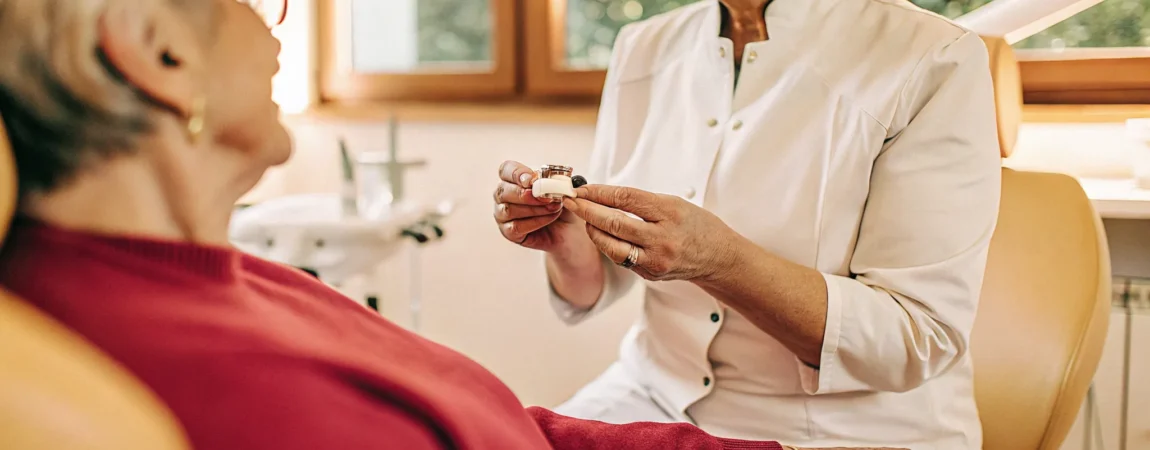
Unlike a CPAP system, a custom oral appliance is a small device fitted in the mouth to help maintain an open airway during sleep. The right choice depends on your diagnosis, anatomy, sleep study, and treatment goals. Spark Sleep Solution provides access to more than 100 FDA-approved appliance options, allowing Dr. Srujal H. Shah, who holds dual board certifications in dental sleep medicine (DABDSM and DASBA), to match treatment more precisely to each patient.
| Consideration | CPAP | Custom oral appliance |
|---|---|---|
| Comfort | Mask, tubing, and hoses may feel restrictive. | A small mouthpiece rests inside the mouth. |
| Portability | A machine and accessories must be packed for travel. | The compact device can fit in a pocket or small case. |
| Noise | The motor may produce a noticeable hum. | No motor, so the appliance operates silently. |
| Adherence | Reported use can range from approximately 40% to 85%. | Reported use can range from approximately 70% to 85%. |
| Maintenance | Requires routine care for filters, tubing, and hoses. | Does not require filters or hoses. |
| Insurance coverage | Typically processed as durable medical equipment. | Often billed through medical insurance using code E0486. |
Oral appliance therapy is not a universal replacement for CPAP, and it is not appropriate for every type or severity of sleep apnea. Spark works with medical insurance plans, including PPO, HMO, Kaiser, and Medicare, to help eligible patients understand coverage. Discuss your diagnosis and treatment options with your sleep physician, then review this CPAP vs oral appliance therapy comparison and learn more about oral appliance therapy.
Positional Therapy for Position-Dependent Sleep Apnea
For some people, obstructive sleep apnea is strongly affected by sleep position. Breathing events may occur mainly while lying on the back, a pattern sometimes called supine-dependent or positional sleep apnea. Gravity can allow the tongue and soft tissues to move toward the airway in this position. A sleep study, reviewed by a qualified sleep physician, can help determine whether your breathing changes significantly between back and side sleeping.
How positional therapy works
Positional therapy is designed to make side sleeping easier and reduce time spent on the back. Options may include a specially shaped pillow, a wearable positional device or vest, or a simple tennis-ball technique that makes back sleeping uncomfortable. Newer wearable devices may use gentle vibration when they detect that you have rolled onto your back. The goal is not to force an unnatural sleeping posture, but to provide a practical reminder that supports a more favorable position.
Research identifies positional therapy as one of several alternatives to CPAP for sleep apnea, alongside lifestyle changes, oral appliance therapy, surgery, and other treatments. However, the most appropriate option depends on your diagnosis, severity, anatomy, sleep position, and ability to use the treatment consistently.
When it may be appropriate
Positional therapy may be considered for people with mild-to-moderate obstructive sleep apnea whose events are isolated primarily to back sleeping. It is generally a complementary approach rather than a complete solution for most patients. Some people use it alongside a custom oral appliance, particularly when their sleep study shows that both airway support and position affect their breathing. Others may need a different treatment if events also occur while sleeping on their side or if positional therapy does not adequately improve follow-up testing.
Do not assume that fewer symptoms mean the condition is controlled. Discuss your sleep study and treatment options with your treating sleep physician. If positional therapy is recommended, follow-up evaluation can help confirm whether it is managing your breathing effectively.
Weight Loss and Lifestyle Changes for Mild OSA
For some people with mild obstructive sleep apnea, lifestyle changes can reduce symptoms and improve breathing during sleep. Excess weight can contribute to airway narrowing, so gradual, medically supervised weight loss may lessen the severity of sleep-disordered breathing and reduce the apnea-hypopnea index (AHI). Even when weight is not the only factor, improving overall fitness can support better sleep and cardiovascular health.
Weight loss should be viewed as an adjunct to, not a replacement for, clinical evaluation. Sleep apnea is influenced by anatomy, sleep position, age, nasal congestion, and other health conditions. Lifestyle changes may be helpful for mild OSA, but they are rarely sufficient by themselves for moderate-to-severe disease. A follow-up sleep study may be needed to determine whether breathing has actually improved.
Changes that may support better breathing
- Limit alcohol before bedtime. Alcohol can relax the muscles that help keep the upper airway open. Ask your treating clinician whether you should also avoid sedatives or review any medications that may affect sleep.
- Treat nasal allergies and congestion. Managing inflammation or obstruction can make nasal breathing more comfortable. A physician can recommend an appropriate treatment plan.
- Quit smoking. Smoking can irritate and inflame the upper airway. Support from a healthcare professional can make cessation more achievable.
- Exercise regularly. Consistent physical activity can support weight management, energy, and sleep quality, even when weight loss is modest.
Lifestyle modifications are recognized among the alternatives to CPAP for sleep apnea, alongside approaches such as positional therapy and oral appliance therapy. If symptoms continue, discuss your sleep apnea treatment options with a sleep physician and qualified dental sleep medicine provider. Do not assume that feeling better means the condition has resolved without objective testing.
Inspire Hypoglossal Nerve Stimulation: Who Qualifies?
Hypoglossal nerve stimulation is one of the surgical sleep apnea treatment options for adults with moderate-to-severe obstructive sleep apnea who cannot use CPAP successfully. Inspire is an implanted system that monitors breathing during sleep and sends mild stimulation to the hypoglossal nerve. This helps move the tongue forward and keep the upper airway open.
Typical eligibility criteria
FDA-approved criteria generally include an apnea-hypopnea index (AHI) between 15 and 100, a body mass index (BMI) of 40 or below, and an age of 22 or older. Expanded criteria may apply to some younger patients, including people ages 18 to 21 and certain adolescents ages 13 to 18 with Down syndrome. Eligibility is not determined by numbers alone. Your sleep physician and surgical team must evaluate your medical history, sleep study, anatomy, and previous treatment experience.
Why screening matters
Before implantation, candidates typically undergo drug-induced sleep endoscopy, or DISE. During this procedure, a specialist observes how the throat and palate collapse during sleep-like sedation. Inspire may not be appropriate when the soft palate collapses in a complete concentric pattern, because nerve stimulation may not adequately address that type of obstruction.
Inspire also involves surgery, an implanted device, recovery, follow-up programming, and ongoing medical management. The total cost may exceed $30,000 before insurance coverage and patient-specific benefits are considered. Your treating sleep physician can explain the surgical risks, expected follow-up, and coverage requirements.
A non-invasive option to discuss first
For many people, especially those with mild-to-moderate OSA or those seeking to avoid surgery, oral appliance therapy may be another path to explore. A custom oral device advances the jaw to help support the airway without an implanted stimulator. Spark Sleep Solution coordinates with sleep physicians so patients can compare treatment paths based on severity, anatomy, health needs, and tolerance for CPAP. The goal is not to declare one option best for everyone, but to identify a safe, evidence-informed approach for your condition.
How to Know Which Alternative Is Right for You
There is no single best option for every person with obstructive sleep apnea. OSA can present in different physiological and clinical forms, so a one-size-fits-all treatment plan may not be appropriate. Research recognizes several alternatives to CPAP for sleep apnea, including lifestyle changes, positional therapy, oral appliances, surgery, and hypoglossal nerve stimulation. Use the steps below to organize a discussion with your care team, not to diagnose yourself.
- Understand your OSA severity. Start with your sleep study and ask your sleep physician to explain your AHI and whether your OSA is considered mild, moderate, or severe. Severity can help guide the conversation. Oral appliance therapy and positional therapy may be considered in appropriate cases, while more advanced or persistent disease may require a different plan. Your symptoms, sleep study findings, and treatment history all matter.
- Consider your tolerance for invasiveness. Think honestly about what you can use consistently. A custom oral appliance is a non-invasive treatment that fits in the mouth during sleep. Inspire hypoglossal nerve stimulation, by contrast, involves an implanted system and surgery. Neither option is automatically right for everyone. Your preferences, medical history, and candidacy should guide the decision.
- Evaluate anatomical factors and comorbidities. Airway structure, jaw position, nasal breathing, dental health, and existing TMJ disorders can affect treatment selection. Tell your physicians about conditions such as hypertension, daytime sleepiness, or cardiovascular disease, which may occur alongside OSA. These details help your care team weigh benefits, limitations, and safety.
- Discuss the options with your sleep physician. A sleep physician can interpret your testing, confirm the diagnosis, review your current treatment, and coordinate care. Ask which options are clinically appropriate, what follow-up testing may be needed, and how treatment success will be monitored. Do not stop or change prescribed therapy without medical guidance.
- Schedule a consultation with a dental sleep medicine specialist. Spark Sleep Solution takes a personalized approach, with access to more than 100 FDA-approved oral appliances and Eccovision airway assessment technology to help match the device to your needs. A consultation can clarify whether oral appliance therapy is a suitable part of your care plan. Request an Appointment to discuss your options.
These steps create a thoughtful path forward while keeping diagnosis and treatment decisions with the appropriate medical professionals.
How to Get Started With a CPAP Alternative in the Bay Area
If you are exploring a CPAP alternative, Spark Sleep Solution offers a coordinated path from evaluation to treatment across six Bay Area locations: San Jose, Los Gatos, Santa Cruz, San Ramon, Sunnyvale, and Monterey. The process is designed to clarify your diagnosis, insurance benefits, and treatment options before a custom oral device is recommended.
1. Request an appointment
Begin by submitting a Request an Appointment online or calling 408-490-0182. During your initial conversation, share whether you have a sleep apnea diagnosis, a recent sleep study, or difficulty using CPAP. Spark coordinates with your treating sleep physician and does not independently diagnose sleep apnea.
2. Verify medical insurance coverage
Spark’s team verifies benefits through medical insurance, including many PPO, HMO, Kaiser, and Medicare plans. Sleep apnea treatment is billed through medical insurance rather than dental insurance. Coverage and requirements vary by plan, so verification helps you understand the next steps before treatment begins.
3. Complete or coordinate a sleep study
If updated testing is needed, the team can coordinate with your sleep physician regarding a home sleep test or an in-lab polysomnography. Your sleep study results help establish the type and severity of sleep-disordered breathing and guide an appropriate treatment discussion.
4. Meet with a dental sleep medicine specialist
At your consultation, a board-certified dental sleep medicine specialist reviews your medical history, sleep study, symptoms, airway considerations, and treatment preferences. Dr. Srujal H. Shah holds dual board certifications, DABDSM and DASBA, supporting Spark’s specialized focus on sleep-disordered breathing and oral appliance therapy.
5. Receive a personalized device fitting
When oral appliance therapy is appropriate, Spark uses 3D scanning to support a precise, comfortable fit for your custom oral device. Follow-up care helps assess comfort, fit, and treatment response in coordination with your sleep physician. The goal is not to promise a cure, but to provide a medically guided option for managing obstructive sleep apnea or snoring.
Frequently Asked Questions
Are oral appliances effective for obstructive sleep apnea?
Custom oral appliance therapy is a recognized treatment option for people with obstructive sleep apnea who cannot tolerate CPAP, particularly those with mild to moderate disease. A sleep physician must confirm your diagnosis and severity, and follow-up testing helps determine whether treatment is working for you.
Can positional therapy help with sleep apnea?
It can help when breathing disruptions occur mainly while you sleep on your back. A positional device or structured sleep-position plan may encourage side sleeping, but it is appropriate only when your sleep study shows position-dependent apnea. Discuss the results with your treating sleep physician before relying on positional therapy alone.
Can lifestyle changes replace CPAP for sleep apnea?
Weight management, regular physical activity, limiting alcohol near bedtime, and maintaining consistent sleep habits may improve symptoms and reduce the severity of some cases, especially mild obstructive sleep apnea. These steps manage contributing factors, but they do not cure sleep apnea or replace medical follow-up.
Who may qualify for Inspire therapy?
Inspire hypoglossal nerve stimulation is an implanted treatment for selected adults with moderate to severe obstructive sleep apnea. The FDA indication includes an AHI from 15 to 100 and a BMI up to 40, along with other clinical and anatomical requirements. An implant specialist must evaluate candidacy. FDA source
How do I choose the right CPAP alternative?
Your apnea severity, sleep position, airway anatomy, medical history, treatment preferences, and prior CPAP experience all matter. Your sleep physician and qualified treatment provider can review your sleep study and match you with an evidence-based option, which may include oral appliance therapy, positional therapy, lifestyle changes, or referral for Inspire evaluation.
Ready to Explore Your CPAP Alternatives?
The right next step depends on your diagnosis, sleep goals, and ability to use each treatment consistently. A consultation can help you discuss your options with a dental sleep medicine team and determine whether oral appliance therapy may fit your care plan. Request an Appointment to begin the conversation and take a thoughtful next step toward better-supported sleep.