

Many older adults with sleep apnea need an option they can use consistently. If CPAP has been difficult to tolerate, a custom oral appliance may be another approach. A sleep physician and qualified dental sleep specialist must determine whether it is medically appropriate for you.
Medicare Part B can cover an FDA-approved custom oral appliance when it is medically necessary for obstructive sleep apnea and the required diagnosis and documentation are in place. Medicare coverage for sleep apnea oral appliance treatment is handled as medical insurance coverage, not dental insurance, and your plan may require cost sharing.
Request your Medicare coverage consultation to review whether oral appliance therapy fits your treatment plan.
Understanding the coverage rules can help you prepare your sleep study, medical records, and questions before seeking care. The process begins with what Medicare covers and the conditions that must be met.
If you are comparing options after struggling with CPAP, explore this CPAP alternative guide for helpful background before reviewing Medicare requirements.
Does Medicare Cover Sleep Apnea Oral Appliances?
Yes. Medicare Part B covers an FDA-approved custom oral appliance for obstructive sleep apnea when the device is medically necessary and the coverage requirements are met. A custom oral appliance, also called a mandibular advancement device, is worn during sleep. It gently repositions the lower jaw, or mandible, forward to help keep the upper airway open. Medicare coverage guidance identifies custom-fabricated devices used to treat OSA as equipment eligible under the medical benefit when requirements are satisfied.
This option can be important for people who cannot use CPAP comfortably or consistently. An estimated 50% to 70% of people with obstructive sleep apnea fail or cannot tolerate CPAP therapy. For these patients, oral appliance therapy is a leading alternative to discuss with a treating sleep physician. It is not a cure for OSA, and it is not appropriate for every patient. Your physician must diagnose obstructive sleep apnea and help determine whether a custom device fits your treatment plan.
What does Medicare Part B pay for?
Medicare treats a qualifying custom oral appliance as medical equipment rather than a routine dental appliance. Coverage depends on medical necessity, an established OSA diagnosis, and the required supporting documentation. The appliance must also meet applicable Medicare and device requirements. Because claims are processed through medical insurance, the billing process uses medical codes rather than dental insurance codes.
For covered equipment under Original Medicare, beneficiaries generally pay 20% coinsurance after meeting the annual Part B deductible. Your actual responsibility can depend on your supplemental coverage, provider participation, plan enrollment, and whether Medicare approves the claim. Medicare Advantage plans may use different benefits, authorization rules, and cost-sharing, so members should confirm coverage with their plan before treatment begins.
What should you do if you cannot tolerate CPAP?
Start by discussing your experience with your treating sleep physician. Explain whether discomfort, mask problems, air leakage, dryness, or other issues have made CPAP difficult to use. Ask whether you may be a candidate for a custom oral device and what documentation your plan requires. A sleep dentist who works with medical insurance can then review your records, coordinate with your physician, and verify the coverage pathway.
If you are exploring sleep apnea treatment without CPAP, request an insurance coverage review before scheduling treatment. This can help clarify whether your diagnosis, documentation, device, and provider meet Medicare requirements.
What Medicare Coverage Does Part B Offer for Sleep Apnea Oral Appliances?
Medicare Part B treats a qualifying custom oral appliance as medical equipment, not as a routine dental appliance. Under the Durable Medical Equipment (DME) benefit described in Social Security Act section 1861(s)(6), Medicare can cover custom-fabricated mandibular advancement devices used to treat obstructive sleep apnea (OSA). Oral appliance therapy may be an appropriate option when a sleep physician and qualified dental sleep provider determine that it is medically necessary.
This classification matters because it determines how the device is billed and reviewed. A custom-fabricated mandibular advancement device is generally billed using HCPCS code E0486. That code describes an oral device used to reduce upper-airway collapsibility, including the custom fabrication, fitting, and adjustment. Medicare claims use medical billing codes such as E0486, not dental insurance codes. The claim therefore follows DME coverage rules rather than the benefit structure used for fillings, crowns, or other routine dental services.
How the oral appliance works
A mandibular advancement device is designed to reposition the lower jaw, or mandible, forward during sleep. This positioning can help maintain space in the upper airway and reduce the tendency for airway collapse. The device does not cure sleep apnea, and it is not appropriate for every patient. Your sleep physician must diagnose OSA, and your treatment team should determine whether a custom device fits your diagnosis, sleep-study findings, and treatment history.

Other Part B sleep apnea benefits
Medicare Part B may also cover a medically necessary sleep study used to diagnose sleep apnea. When clinically appropriate, Medicare may cover CPAP equipment and related supplies as DME as well. These benefits provide context for treatment planning: an oral appliance is not automatically a replacement for CPAP. But it can offer a medically recognized treatment pathway for eligible patients who cannot tolerate CPAP or have another documented reason to consider an alternative.
Coverage depends on medical necessity, qualifying documentation, and the specific requirements that apply to your Medicare benefit. Ask your treating sleep physician about your diagnosis and candidacy, then confirm the billing process with a Medicare-credentialed dental sleep medicine practice before treatment begins.
What Documentation Does Medicare Require Before Approval?
Medicare reviews the medical record before approving an oral appliance for obstructive sleep apnea (OSA). The record must show that the diagnosis was established properly, the device is medically necessary, and the order comes from the appropriate treating clinician. Missing paperwork can delay treatment or lead to a denied claim.
A Medicare-covered sleep study and OSA diagnosis
First, you need a formal OSA diagnosis supported by a Medicare-covered sleep test. Medicare’s coverage criteria use measurements such as the apnea-hypopnea index (AHI) or respiratory disturbance index (RDI). One qualifying pathway requires an AHI or RDI of at least 5 events per hour. Your sleep physician interprets the study and determines whether the findings support an OSA diagnosis.
The evaluation must happen before the sleep test. Medicare requires a face-to-face clinical evaluation by the treating physician to assess you for OSA testing. This sequence helps establish that the study was ordered for a documented clinical reason, rather than obtained without medical evaluation.
The treating physician’s evaluation and detailed written order
The record should also document why an oral appliance is appropriate for your situation. Medicare coverage generally requires documentation that you cannot tolerate CPAP or have a contraindication to CPAP. Discuss your treatment history with your sleep physician, including symptoms, prior therapies, and any difficulty using CPAP.
A Detailed Written Order (DWO) is another essential document. The DWO must reach the DME supplier, such as the credentialed dental sleep provider, before the claim is submitted. Without it, Medicare may deny the item as not reasonable and necessary. The CMS Medicare coverage policy article outlines documentation and billing requirements for oral appliances used to treat OSA.
How a credentialed sleep dentist organizes this paperwork
A credentialed sleep dentist coordinates the documentation rather than asking you to manage every form alone. The practice reviews your sleep study, confirms the physician’s evaluation and diagnosis, checks that the DWO is complete, and submits the appliance under the applicable medical billing process. The provider may also identify missing information before submitting a claim, which can reduce avoidable delays.
Bring copies of your sleep study, physician records, CPAP history, and insurance information to your consultation. A qualified provider can explain which documents are present, what still needs to come from your treating physician, and how the approval process applies to your care.
How Do Original Medicare and Medicare Advantage Differ?
Your coverage depends on whether you have Original Medicare or a Medicare Advantage plan. Both can support medically necessary treatment for obstructive sleep apnea, but the approval process, network rules, and cost-sharing may differ.
You can compare how Original Medicare and Medicare Advantage commonly approach oral appliance coverage:
| Consideration | Original Medicare | Medicare Advantage |
|---|---|---|
| Coverage basis | Federal Durable Medical Equipment benefit; custom oral appliances may be covered when medically necessary | Must cover Medicare Part A and Part B services, but plan rules can differ |
| Approval process | Documentation and medical necessity reviewed against Medicare policy | May require prior authorization or specific supplier/network use |
| Typical cost sharing | Generally 20% coinsurance after the Part B deductible | Copayment and coinsurance amounts set by the individual plan |
| Provider and supplier choice | Provider participation affects billing; device billed as DME | Coverage can depend on the dentist and DME supplier being in network |
With Original Medicare, custom-fabricated oral appliances for obstructive sleep apnea fall under the Durable Medical Equipment benefit. Medicare beneficiaries typically pay 20% coinsurance for covered DME after meeting the annual Part B deductible. The applicable Medicare policy identifies coverage requirements for oral appliances, including the need for qualifying medical documentation. You can review the CMS coverage policy for oral appliances for obstructive sleep apnea with your physician or sleep dentist.
This coverage is medical, not dental. The appliance must meet Medicare requirements and be prescribed for a diagnosed medical condition. Your sleep physician and Medicare-credentialed dental sleep provider should confirm that your evaluation, sleep study, diagnosis, and treatment documentation support the claim. Coverage is not automatic simply because an appliance is custom-made.
Medicare Advantage enrollment and plan details
Medicare Advantage plans are offered by private insurers. They must cover Medicare Part A and Part B services, but they may add benefits or organize coverage differently from Original Medicare. A plan may use a network, require prior authorization, apply its own copayment structure, or direct you to specific suppliers. These details can affect where you receive care and what you pay.
Medicare Advantage open enrollment runs from October 15 through December 7. If you are reviewing your options during that period, compare the plan’s current evidence of coverage and provider directory. Look specifically for durable medical equipment rules, oral appliance requirements, sleep medicine coverage, authorization steps, and supplier restrictions.
Do not rely on a general statement that your plan covers sleep apnea treatment. Ask the insurer whether a custom oral appliance is covered. Confirm which documentation is required and whether the provider is in network. Plan benefits can change. Verify your specific plan before treatment begins. A coverage check can help identify the next step, but your insurer makes the final decision.
How Does a Medicare-Credentialed Sleep Dentist Help?
Working with a Medicare-credentialed sleep dentist can make the process of evaluating and obtaining an oral appliance more organized. Medicare coverage depends on medical necessity, appropriate documentation, and billing the device under the correct medical benefit. It is not the same as submitting a claim through dental insurance.
Your consultation and candidacy evaluation
Your first appointment should address both your sleep health and your dental health. A qualified sleep dentist reviews your obstructive sleep apnea diagnosis, previous treatment experience, jaw and airway considerations, and whether a custom oral appliance is clinically appropriate. If you have struggled with CPAP, share what made treatment difficult. Your sleep physician and dental sleep medicine provider can help determine whether oral appliance therapy is a reasonable option for your situation.
At Spark Sleep Solutions, Dr. Srujal H. Shah is dual board-certified in Dental Sleep Medicine (DABDSM) and Sleep Medicine (DASBA). This combination of training supports coordinated care for patients who need an oral appliance evaluation alongside physician-directed sleep care. You can also learn more about what oral appliance therapy is and how it works.
Coordinating your sleep study and medical records
Medicare documentation generally begins with a formal diagnosis of obstructive sleep apnea and a qualifying sleep study. Your dentist may need records from your treating sleep physician, including the sleep study report, diagnosis, treatment history, and documentation related to CPAP intolerance or contraindication when applicable. Keeping these records together helps your care team confirm candidacy and prepare the information needed for a medical insurance claim.
Credentialing matters because Medicare oral appliance care involves medical documentation and durable medical equipment requirements. The appliance is billed under HCPCS code E0486, rather than a dental procedure code. A provider familiar with these requirements can help reduce confusion about which records are needed and how the treatment should be submitted.
Custom appliance fitting and follow-up
An E0486 device is custom fabricated for the individual patient and includes fitting and adjustment. Your dentist evaluates the fit, makes appropriate adjustments, and monitors your response over time. Follow-up is important because comfort, jaw symptoms, bite changes, and sleep-related outcomes all deserve attention.
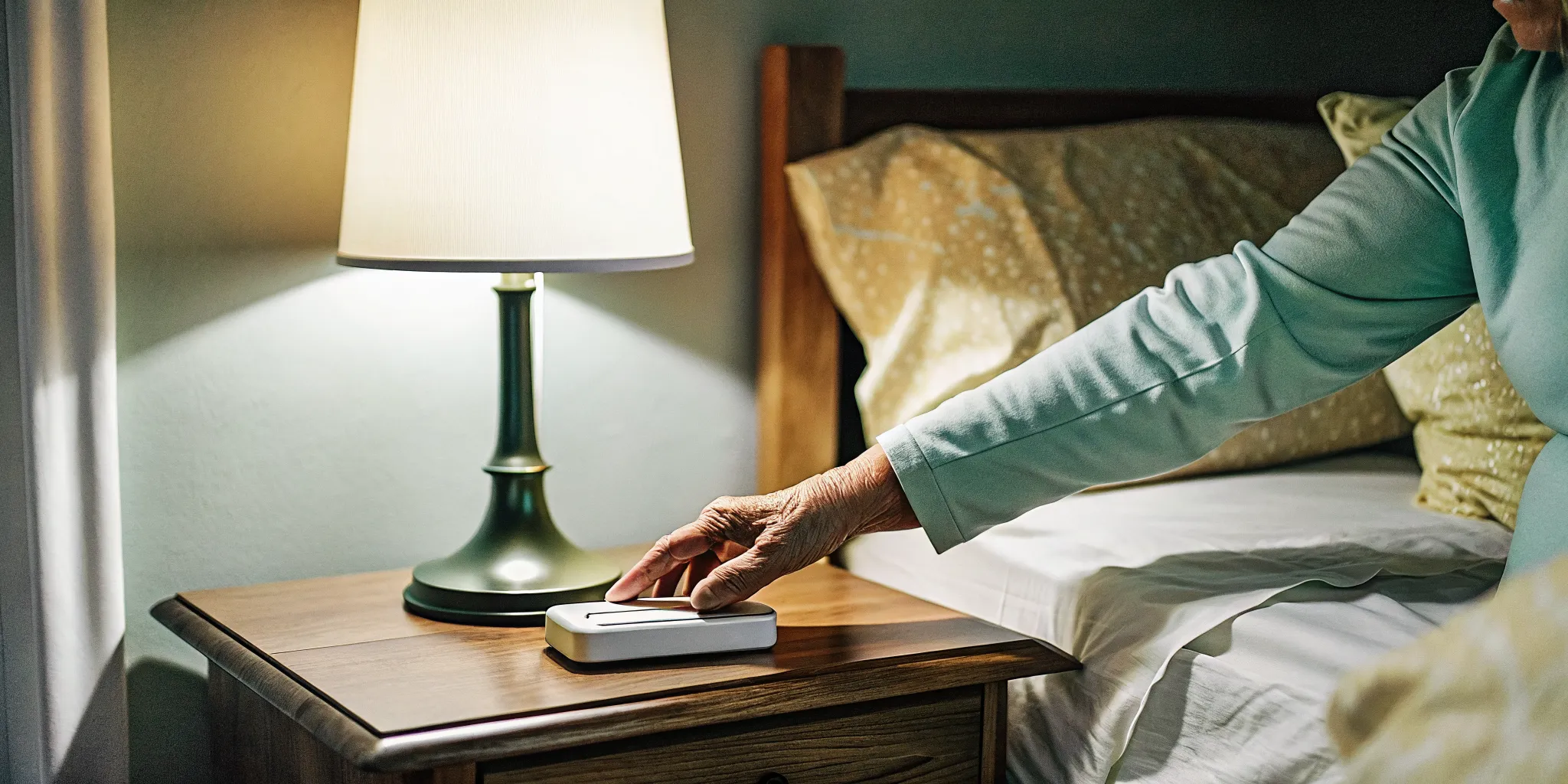
Your sleep physician may also recommend follow-up testing to assess treatment effectiveness.
Spark Sleep Solutions checks coverage and works with most major medical insurances. The practice serves patients throughout the Bay Area, including San Jose, Los Gatos, Santa Cruz, San Ramon, Sunnyvale, and Monterey. If you are exploring a CPAP alternative, ask your sleep physician and a credentialed dental sleep medicine provider whether a custom oral appliance may fit your care plan.
Ready to check your Medicare coverage before your next appointment.
Frequently Asked Questions
Does Medicare cover oral appliances for obstructive sleep apnea?
Yes. Medicare may cover an FDA-approved, custom-fabricated mandibular advancement device when it is medically necessary for obstructive sleep apnea and you meet the required coverage criteria. Coverage is handled as medical insurance through the Durable Medical Equipment benefit, not dental insurance. Your sleep physician must establish the diagnosis, and documentation should show why an oral appliance is appropriate for your care. CMS coverage guidance outlines applicable requirements.
What documentation is needed for Medicare approval?
Generally, you need a face-to-face clinical evaluation, a Medicare-covered sleep study confirming obstructive sleep apnea, and documentation of medical necessity. Medicare may also require evidence that you cannot tolerate CPAP or have a documented contraindication. A Detailed Written Order must reach the DME supplier before the claim is submitted, according to the Medicare coverage requirements.
How much will I pay for a covered oral appliance?
Your responsibility depends on your plan, deductible status, and supplier arrangements. With Original Medicare, beneficiaries typically pay 20% coinsurance after meeting the annual Part B deductible for covered Durable Medical Equipment. Confirm your current benefits and expected cost-sharing before treatment.
Does Medicare Advantage cover oral appliances differently?
It can. Medicare Advantage plans must cover Medicare-covered services, but plan networks, authorization procedures, and cost-sharing may differ. Some plans may also offer additional benefits. Ask your plan whether the dentist and DME supplier are in network, which documents it requires, and whether prior authorization is needed before fabrication.
Schedule Your Medicare Coverage Consultation
Understanding Medicare requirements can make the next step toward oral appliance therapy clearer. Spark Sleep Solution can review your situation, coordinate with your treating sleep physician, and help you understand the documentation needed for coverage. To discuss your options, request an appointment with the team.