
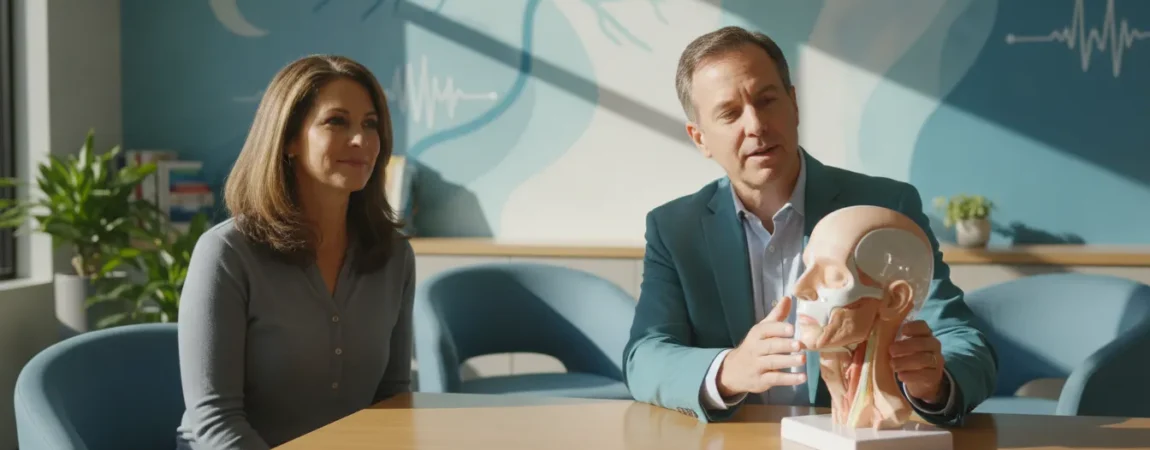
What causes snoring? In most cases, relaxed tissues vibrate as air moves through a narrowed upper airway during sleep. Nasal congestion, sleep position, alcohol near bedtime, anatomy, and age can make that narrowing more likely.
Snoring does not automatically mean you have obstructive sleep apnea. Persistent loud snoring with breathing pauses, gasping, or daytime sleepiness deserves a clinical conversation.
The practice’s earlier overview of snoring causes and treatment offers related background. This updated guide adds a clearer distinction between primary snoring and possible obstructive sleep apnea.
Snoring can be occasional or ongoing, quiet or disruptive, and caused by more than one factor. The sound itself cannot identify the exact cause or confirm a diagnosis.
A sleep physician must diagnose sleep apnea. A dental sleep medicine practice can coordinate with your medical team and discuss options for obstructive sleep apnea or primary snoring.
Because snoring has several possible contributors, useful details include when it began and whether it changes with sleep position. Note whether anyone observes pauses in breathing.
Sharing those details can make a clinical conversation more focused without turning a symptom into a self-diagnosis.
This guide explains the mechanics behind snoring, the difference between snoring and sleep apnea, and practical next steps. For a broader overview, visit Spark Sleep Solutions’ sleep apnea symptoms and treatment options guide.
It also connects with the practice’s sleep apnea and snoring education resources.
What Causes Snoring? Common Airway and Lifestyle Factors
Answer: Spark Sleep Solutions explains that snoring usually occurs when sleep relaxes tissues around the nose, mouth, throat, tongue, soft palate, or uvula. Air moving through the narrowed passage creates vibration. Congestion, anatomy, back sleeping, alcohol near bedtime, and age-related tissue changes can make this airflow pattern more likely, but snoring alone cannot diagnose sleep apnea.
Anatomy, congestion, body position, alcohol near bedtime, age, and changes in surrounding tissue can each contribute. During wakefulness, muscles help keep the upper airway open. Sleep naturally reduces muscle tone.
If the airway becomes narrower, airflow can become more turbulent, and surrounding soft tissues may vibrate. A narrower airway does not always produce louder snoring. Loudness alone does not show whether breathing is repeatedly interrupted.
Common contributors include:
- Airway anatomy: A low soft palate, long uvula, enlarged tonsils, a naturally narrow passage, or jaw position may leave less room for airflow.
- Nasal breathing problems: A cold, allergies, chronic congestion, a deviated septum, or another obstruction may make comfortable nasal breathing more difficult.
- Sleep position: Lying on your back can allow the tongue and other tissues to shift toward the back of the throat for some people.
- Muscle relaxation: Alcohol close to bedtime may increase relaxation around the upper airway and make vibration more likely.
- Body and age-related changes: Changes in tissue distribution, muscle tone, or airway structure can alter a person’s snoring pattern.
| Possible contributor | How it may affect snoring |
|---|---|
| Nasal congestion | May make comfortable nasal airflow more difficult. |
| Back sleeping | May allow the tongue and soft tissues to shift backward. |
| Alcohol near bedtime | May increase relaxation around the upper airway. |
| Airway anatomy | May leave less room for airflow during sleep. |
Several factors may overlap. Nasal congestion can encourage mouth breathing, while back sleeping can further narrow the airway.
Tracking when snoring happens, whether it changes with position, and whether a partner notices pauses can give a clinician useful context.
Read more about the risks associated with persistent snoring. Symptoms alone do not establish a diagnosis.
The same foundational guidance is part of Spark Sleep Solutions’ sleep apnea and snoring education resources, which can help you prepare questions for a medical evaluation.
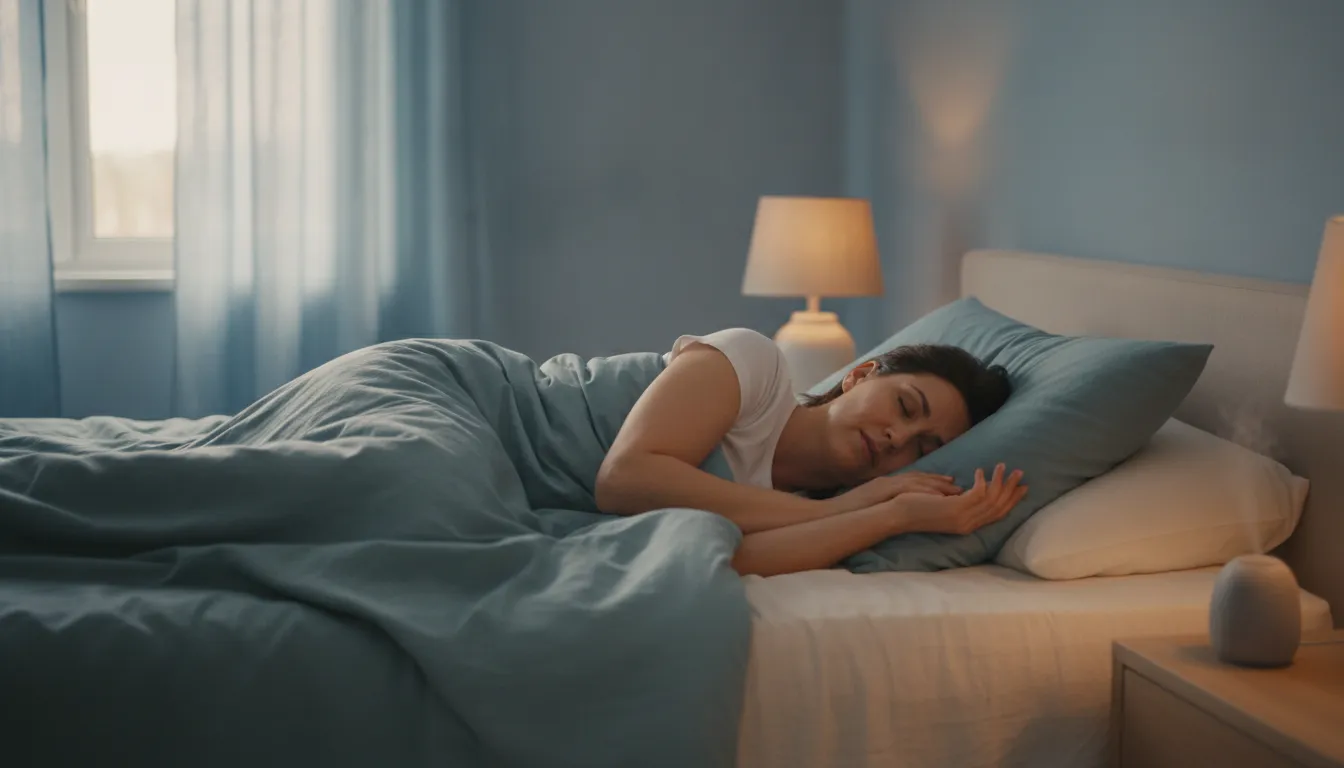
How Understanding What Causes Snoring Helps Distinguish It From Sleep Apnea
Snoring and obstructive sleep apnea can occur together, but they are not the same condition. Snoring is a sound caused by vibrating tissues.
Obstructive sleep apnea involves repeated narrowing or blockage of the upper airway during sleep. Breathing interruptions require medical evaluation. Some people with sleep apnea snore loudly, while others have less noticeable snoring.
Loud snoring is not the only clue
A partner may notice that snoring stops and starts, followed by a gasp, snort, or choking sound. You may not remember these events because they can occur during brief changes in sleep.
Other possible symptoms include waking with a dry mouth or headache, restless sleep, difficulty staying asleep, or unusual daytime tiredness. Each symptom has multiple possible causes. None confirms sleep apnea alone.
The safest approach is to look for patterns rather than judge the condition by sound. If someone observes breathing pauses, ask them to describe what they saw and when it occurred.
You can also review Spark Sleep Solutions’ explanation of how snoring and sleep apnea are connected.
Why the distinction matters
Primary snoring may not involve repeated breathing interruptions. Persistent or disruptive snoring still warrants attention when it affects sleep or quality of life. A clinician can help determine whether further testing is appropriate.
Obstructive sleep apnea requires diagnosis by a qualified physician. Central sleep apnea has a different mechanism. Do not assume that an oral appliance is appropriate for either condition.
If you are concerned about possible sleep apnea, do not diagnose yourself from a sound recording or online checklist. A clinician can review your history, examine relevant anatomy, and determine whether sleep testing is appropriate.
The page What Is Sleep Apnea? provides additional background on obstructive and central sleep apnea.
Which Risk Factors Can Worsen Snoring?
Snoring is often influenced by physical structure, sleep habits, and temporary conditions. A risk factor is not proof of a cause.
Changing one factor may not eliminate snoring if another contributor remains. Identifying patterns can help you and your healthcare team decide what to evaluate first.
- Back sleeping: Snoring may increase when the tongue and soft tissues move backward in this position.
- Nasal blockage: Colds, allergies, inflammation, or structural narrowing can make airflow through the nose more difficult.
- Alcohol near bedtime: Alcohol may increase relaxation of tissues around the airway.
- Weight changes: Changes in tissue around the neck and upper airway may affect airflow for some people.
- Age: Muscle tone and tissue flexibility can change over time.
- Jaw or facial structure: The relationship between the jaw, tongue, and airway may influence the available space during sleep.
It is reasonable to make simple, low-risk observations. Note whether snoring changes when you sleep on your side or when nasal congestion improves. This information can help a clinician understand the pattern.
Do not treat these observations as a substitute for diagnosis. Discuss persistent symptoms, witnessed pauses, or significant daytime sleepiness with a physician. Spark Sleep Solutions also explains ways people try to reduce snoring during sleep.
When Is Snoring a Sign of Obstructive Sleep Apnea?
Snoring becomes more concerning when it appears alongside signs of disrupted breathing or poor-quality sleep. The pattern matters more than the volume.
Contact a physician if a bed partner reports breathing pauses, repeated gasping, choking, or abrupt awakenings. An evaluation is also reasonable if you regularly wake unrefreshed despite spending enough time in bed.
Nighttime signs worth discussing
- Breathing that pauses, resumes, or sounds labored during sleep
- Gasping, choking, or snorting that interrupts otherwise steady snoring
- Frequent awakenings or restless sleep
- Nighttime sweating or a racing heartbeat without an obvious explanation
- Dry mouth or a morning headache that occurs repeatedly
Daytime effects can matter, too
Daytime sleepiness, difficulty concentrating, irritability, and reduced energy can have many explanations. They may be relevant when they occur with nighttime breathing concerns.
Do not wait for every symptom to appear before asking for help. Quiet nights do not rule out sleep apnea.
Some people do not know that breathing is interrupted until a partner or clinician raises the concern.
A sleep physician decides whether testing is needed and interprets the results. Spark Sleep Solutions can coordinate with the treating physician after diagnosis.
The practice can provide dental sleep medicine care when an oral appliance is clinically appropriate. Its sleep apnea diagnosis and testing information explains how evaluation fits into treatment.
How Do Clinicians Evaluate Persistent Snoring?
An evaluation starts with the story behind the symptom. A clinician may ask when snoring began, whether it occurs every night, and whether it changes with position.
They may also ask whether a partner has noticed breathing pauses. Bring information about nasal congestion, medications, alcohol near bedtime, sleep schedule, daytime alertness, and any prior sleep study.
A physical examination may consider the nose, mouth, throat, jaw, tongue, soft palate, and other features that affect the upper airway. The clinician may also review health history and other sleep symptoms.
An at-home or in-lab sleep study may be recommended when obstructive sleep apnea is suspected. The appropriate test depends on the clinical situation and must be interpreted by a qualified professional.
A typical evaluation may include:
- Reviewing your symptom history and sleep observations.
- Examining your nose, mouth, throat, jaw, and airway-related anatomy.
- Choosing a sleep study when obstructive sleep apnea is suspected.
- Discussing results and treatment options with your care teams.
A dental sleep medicine provider may assess oral and airway-related anatomy as part of treatment planning when appropriate.
These tools do not replace physician diagnosis. They help the care team understand relevant anatomy and determine whether a custom oral appliance may fit the patient’s needs after a sleep apnea diagnosis.
For additional patient education, compare this discussion with the Mayo Clinic overview of snoring symptoms and causes and the MedlinePlus explanation of how snoring occurs.
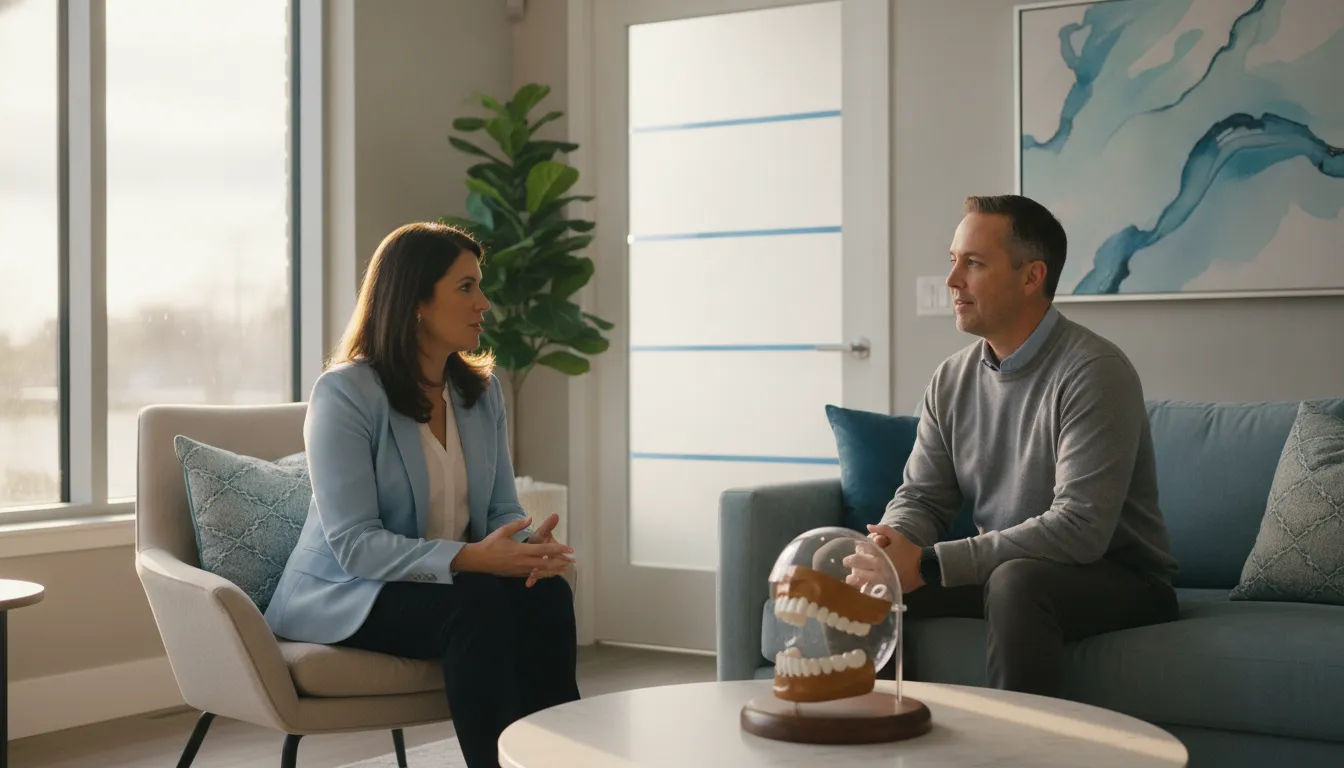
For more detail on testing and clinical evaluation, review home sleep apnea testing and discuss your options with your treating physician.
Keeping the diagnostic and dental roles clear helps prevent self-diagnosis and supports safer care.
What Treatments Can Help Chronic Snoring?
The right approach depends on why snoring occurs and whether obstructive sleep apnea is present. Treatment should address the underlying cause rather than simply cover the sound.
There is no single snoring treatment that is appropriate for everyone. A blocked nose may call for a different conversation than snoring linked to sleep position or repeated airway obstruction. The goal is to understand the pattern before choosing an intervention.
A clinician may recommend one step or a combination of steps after reviewing symptoms, anatomy, and sleep-study findings. If a sleep study identifies obstructive sleep apnea, the result gives the medical team a clearer basis for discussing treatment options.
Start with practical, cause-directed changes
- Address nasal congestion or allergies with guidance from an appropriate healthcare professional.
- Discuss sleep-position changes if snoring is worse while lying on your back.
- Review alcohol and sedating medications with a clinician, especially when symptoms change after use.
- Follow an individualized plan for overall health and weight management when recommended.
These measures may help some people, but they are not universal solutions. Do not stop a prescribed medication or make a major health change based only on an article.
Use sleep apnea treatments when OSA is diagnosed
When obstructive sleep apnea is diagnosed, treatment may include positive airway pressure, a custom oral appliance, positional approaches, or other options selected with the medical team.
A custom oral appliance can be a non-invasive CPAP alternative for appropriate patients. This may include some people with mild-to-moderate OSA or those who cannot tolerate CPAP.
It does not cure sleep apnea, and it is not appropriate for every patient.
Oral appliance therapy should be prescribed and managed by qualified professionals. Follow-up care and coordination with the sleep physician are important.
Explore Spark Sleep Solutions’ oral appliance therapy services or read about how anti-snoring devices work.
Insurance coverage depends on the patient’s plan and clinical documentation. Ask the care team which benefits and billing requirements apply to your situation.
For a broader treatment comparison, review sleep apnea treatment options. If you are considering a custom oral device, discuss candidacy with your treating sleep physician and a qualified dental sleep provider.
Frequently Asked Questions
What causes snoring?
Snoring usually results from vibrating tissues in a narrowed upper airway during sleep. Nasal congestion, airway anatomy, back sleeping, alcohol near bedtime, age, and changes in surrounding tissue may contribute.
More than one factor can be present. The sound alone cannot identify the precise cause or diagnose sleep apnea.
Does snoring mean I have sleep apnea?
No. Snoring can occur without obstructive sleep apnea, and not everyone with sleep apnea snores noticeably.
Breathing pauses, gasping, repeated awakenings, and daytime sleepiness are reasons to discuss evaluation with a physician. Only a qualified medical professional can diagnose sleep apnea, usually with a clinical assessment and appropriate sleep testing.
When should I see a doctor about snoring?
Speak with a physician when snoring is persistent, disruptive, or accompanied by witnessed breathing pauses, gasping, choking, repeated awakenings, morning headaches, or significant daytime sleepiness.
You should also ask for guidance when snoring changes suddenly or when home measures do not address the concern. Symptoms do not establish a diagnosis by themselves.
Can snoring be treated without CPAP?
Sometimes. The appropriate treatment depends on the cause and whether obstructive sleep apnea is diagnosed.
Options may include addressing nasal or positional contributors, CPAP, or a custom oral appliance for appropriate patients. Discuss the problem with your treating sleep physician.
Ask whether a custom oral device is suitable, especially for mild or moderate sleep apnea or primary snoring.
Ready to Discuss Your Snoring?
Persistent snoring is worth understanding, especially when it affects your sleep or occurs with signs of disrupted breathing.
Start with a conversation with your treating sleep physician. Possible obstructive sleep apnea can then be evaluated and diagnosed appropriately.
Spark Sleep Solutions can coordinate with your medical care. The team can explain whether dental sleep medicine or a custom oral appliance may be appropriate for your situation.